
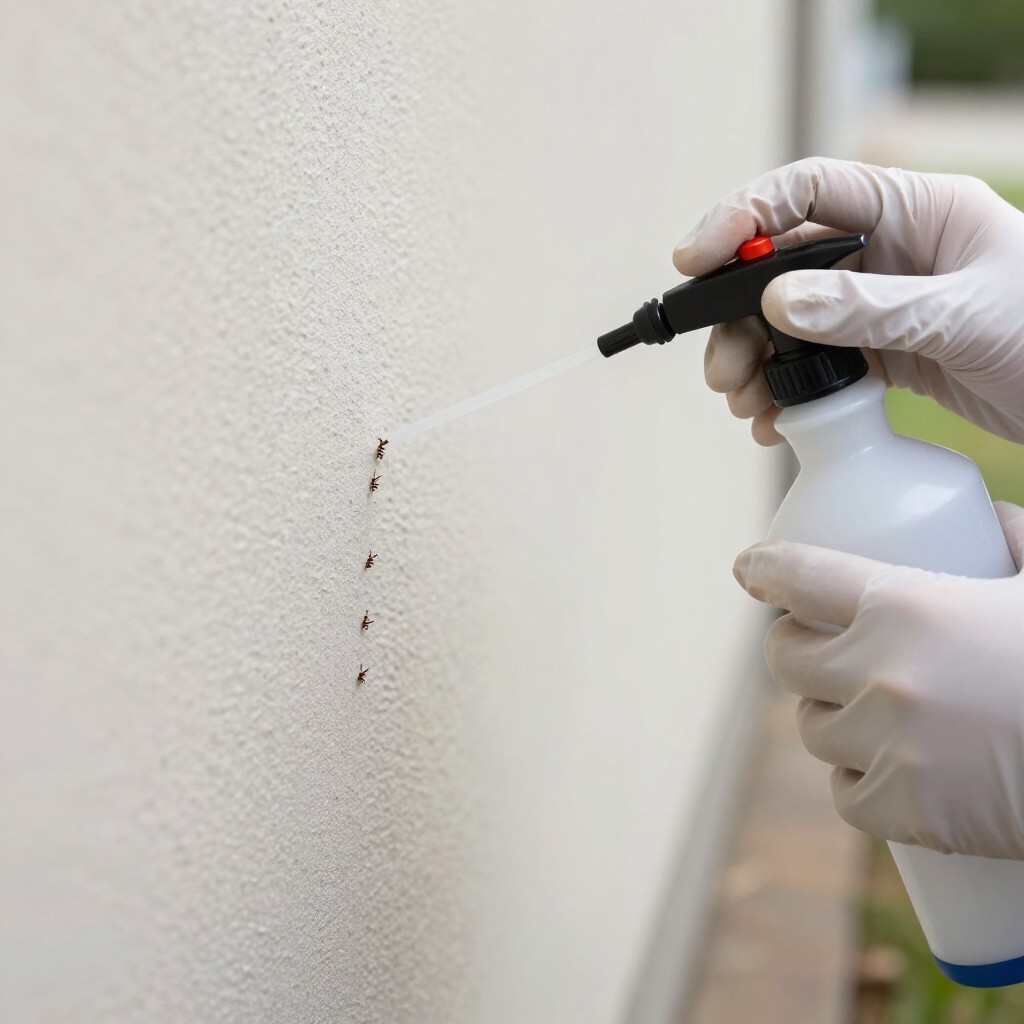


Pest Control Services in Whitestown, IN
Whitestown's rapid growth and mix of new developments with surrounding farmland create unique pest control challenges for Boone County residents. Whether you're in one of the newer residential communities near Anson or maintaining property closer to the rural edges, local pest patterns demand targeted approaches that account for both urban expansion and agricultural proximity.
Common pest concerns in Whitestown include ants, spiders, rodents, termites, and seasonal invaders like boxelder bugs and stink bugs. Mosquitoes thrive near retention ponds in newer subdivisions, while field mice and voles frequently migrate from adjacent farmland into residential areas during harvest season and colder months.
Professional pest management in Whitestown should address the specific conditions of Boone County's northern climate zone, where temperature swings and seasonal transitions create multiple pest pressure points throughout the year. Treatment plans typically combine exterior perimeter barriers, targeted interior applications, and ongoing monitoring adapted to your property's location and construction type.
Common Questions About Pest Control in Whitestown
How does new construction in Whitestown affect pest activity?
Disturbed soil and displaced wildlife during development often drive pests toward established homes. Newer homes may also have landscaping gaps and unsettled grading that create entry points. Pre-treatment soil barriers and sealing gaps during the first 1-2 years of occupancy help prevent problems before they establish.
What pests are most problematic near Whitestown's farmland borders?
Properties adjacent to agricultural areas see higher rodent pressure in fall and winter as mice and rats seek shelter. Voles damage lawns and landscaping, while grain-feeding insects like Indian meal moths occasionally migrate into homes. Spider populations also increase near fields due to abundant flying insect prey.
Are quarterly treatments necessary, or can I schedule seasonally?
Boone County's four-season climate makes quarterly service the most reliable option. Spring targets emerging ants and spiders, summer addresses mosquitoes and flying insects, fall focuses on rodent exclusion before migration, and winter applications catch overwintering pests like stink bugs and boxelder bugs seeking indoor harborage.
Pest Management for Whitestown Property Types
Whitestown's housing stock spans several categories, each with distinct pest vulnerabilities. Single-family homes in master-planned communities often share utility corridors that allow ants and rodents to travel between properties. Townhomes and attached units require coordinated treatment approaches with neighbors to prevent pest movement through shared walls.
Older farmsteads and rural properties on larger lots face different challenges: barns and outbuildings harbor rodents and wildlife, well water considerations affect treatment options, and expansive lawns attract moles, grubs, and surface-feeding insects. Customized plans account for outbuilding proximity, livestock presence, and family safety needs.
Commercial properties along Whitestown Parkway and in the growing retail corridors must maintain pest-free environments for health inspections and customer confidence. Integrated pest management programs for restaurants, warehouses, and office complexes emphasize documentation, discreet service timing, and prevention-focused strategies that minimize chemical applications in customer-facing areas.