


How to Choose a Pest Control Professional in Westfield
Westfield's rapid growth and mix of established neighborhoods, new construction, and agricultural edges create unique pest pressures throughout Hamilton County. Selecting the right pest control provider means finding someone who understands these local dynamics—not just someone with a spray tank.
Start with proper licensing through the Indiana Office of the State Chemist. Any legitimate operator must hold a commercial applicator license and maintain current certifications for the specific treatments they offer. Ask to see documentation; reputable companies provide this without hesitation.
Experience with Hamilton County's seasonal patterns matters enormously here. Westfield's clay-heavy soils, proximity to the White River corridor, and expanding suburban footprint attract different pests than downtown Indianapolis. Termite pressure runs moderate to high in older neighborhoods near Grand Park and the historic district. Newer developments south of 146th Street often battle perimeter invaders as construction-disturbed soil settles. A provider who can articulate these distinctions likely understands your actual situation.
Insurance coverage deserves scrutiny. Verify both general liability and pollution coverage specifically. The latter protects against chemical application mishaps that standard policies often exclude.
Finally, evaluate their integrated pest management approach. Quality professionals in Westfield emphasize exclusion, habitat modification, and targeted treatments over blanket chemical applications. This matters for families, pet owners, and anyone concerned about environmental impact in our water-conscious region.
What to Expect from Pest Control Services in Westfield
Initial service typically begins with a thorough inspection lasting 45–90 minutes. Technicians examine foundation perimeters, crawl spaces, attic access points, moisture-prone areas, and exterior landscaping that contacts the structure. In Westfield, they pay particular attention to garage interiors—common entry vectors during seasonal transitions—and irrigation system proximity that artificially extends pest harborage.
Following inspection, you receive a written assessment documenting active infestations, conducive conditions, and recommended treatment protocols with pricing. Reputable providers break this into immediate concerns versus preventive measures, allowing informed prioritization.
Treatment execution varies by pest type but generally follows this pattern: interior crack-and-crevice applications using reduced-risk materials, exterior perimeter barrier establishment, granular applications to landscape beds, and mechanical exclusion recommendations like sealing gaps around utility penetrations. Most Westfield homes require seasonal follow-ups due to our freeze-thaw cycles that constantly create new entry opportunities.
Documentation should include product labels, application sites, and safety precautions. Expect clear re-entry timing and pet restrictions if applicable. Quality services also provide written guarantees specifying retreatment obligations and response timeframes.
Available Pest Control Services in Westfield
- Termite Control — Liquid barrier treatments and monitoring systems for the subterranean species active throughout Hamilton County's clay soils.
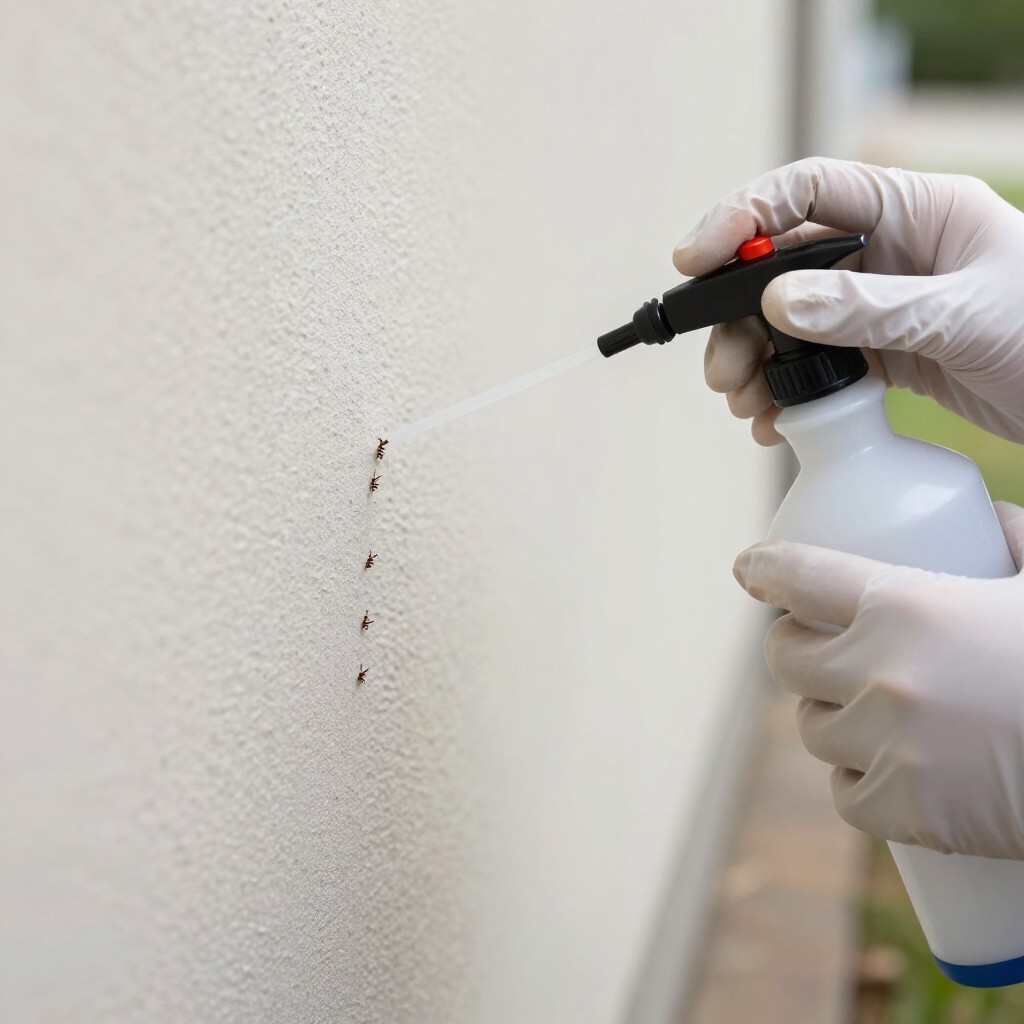
- Ant Management — Targeted programs for carpenter ants, odorous house ants, and pavement ants, with particular expertise in the moisture-seeking species prevalent near Westfield's waterways.
- Spider Reduction — Perimeter-focused programs addressing wolf spiders, cellar spiders, and occasional brown recluse encounters common in older homes with unfinished basements.
- Mosquito Suppression — Seasonal barrier treatments for residential properties, especially valuable near wetland-adjacent neighborhoods and homes with substantial landscaping.
- Rodent Exclusion — Integrated trapping and sealing programs addressing mice that exploit foundation gaps common in our freeze-thaw climate.
- Stinging Insect Removal — Safe nest elimination for wasps, hornets, and yellow jackets, with particular attention to eave and soffit colonies.
- Occasional Invader Control — Management of millipedes, centipedes, earwigs, and boxelder bugs that surge during Westfield's pronounced seasonal transitions.
- Commercial Pest Management — Customized programs for restaurants, retail, and office spaces throughout the Grand Park corridor and downtown district.
Frequently Asked Questions
How often should Westfield homes receive pest control service?
Most properties benefit from quarterly exterior maintenance with as-needed interior follow-up. Homes near wooded areas, water features, or with mature landscaping may require bi-monthly service during peak seasons (April–October).
Are treatments safe for children and pets?
Modern applications use targeted placement and reduced-toxicity materials approved for residential use. Re-entry restrictions vary by product—typically 2–4 hours for liquid applications. Your technician provides specific guidance before departure.
Why do I see more spiders after treatment?
Initial treatments often flush hidden populations as residual materials take effect. This temporary increase usually resolves within 10–14 days as the population cycles through. Persistent heavy activity warrants a callback inspection.
Does new construction need pest control?
Absolutely. Pre-treatment termite protection is often required by lenders, but equally important is establishing perimeter management before landscaping matures and creates harborage. Starting preventive service early costs significantly less than addressing established infestations later.