


How to Choose a Pest Control Professional in Seymour
Finding the right pest control provider in Seymour means looking beyond flashy advertising to evaluate what actually protects your home or business. Jackson County's mix of rural farmland, wooded areas, and established neighborhoods creates unique pest pressures that vary block by block.
Start with proper licensing. Indiana requires pest control operators to hold a commercial applicator license through the Office of the Indiana State Chemist. Ask to see current credentials and verify they carry liability insurance specific to pesticide application. This protects you if treatment causes unexpected damage.
Local experience matters significantly in Seymour. Technicians familiar with Jackson County understand seasonal patterns—how spring rains drive millipedes into crawlspaces, how summer humidity spikes German cockroach activity in restaurants along Tipton Street, and how fall sends field mice toward heated structures near Muscatatuck National Wildlife Refuge. They'll also recognize wood-destroying insect issues common in older homes near Downtown Seymour Historic District.
Request a written inspection report before committing to treatment. Quality providers document evidence found, species identified, treatment areas proposed, products to be used, and follow-up scheduling. Be wary of quotes given over the phone without seeing your property.
Finally, check whether the company offers integrated pest management (IPM) approaches. This method prioritizes exclusion, habitat modification, and targeted treatments over blanket pesticide spraying—particularly important for homes near waterways or families with health sensitivities.
What to Expect from Pest Control Services in Seymour
Understanding the service process helps you prepare and evaluate results. Most professional engagements follow a structured approach from first contact through ongoing maintenance.
Initial inspection. A technician arrives to examine your property's interior, exterior perimeter, foundation, attic, and any outbuildings. In Seymour, this often includes checking for termite mud tubes on basement walls, carpenter ant galleries in damp wood near gutters, and entry points along the roofline where squirrels exploit gaps. The inspection typically takes 45–90 minutes for a standard residential property.
Treatment proposal. You'll receive a plan detailing findings, recommended services, pricing structure (one-time vs. recurring), warranty terms, and preparation requirements. For commercial clients near Ewing Street or the industrial parks, this may include after-hours service options to minimize business disruption.
Initial treatment. The technician applies products according to label directions, places monitoring devices, seals accessible entry points, and documents all applications. You'll receive a service ticket listing products used, application sites, and any safety precautions like avoiding treated areas for specified periods.
Follow-up and monitoring. Most pest issues require return visits. Rodent programs typically include 2–4 weeks of trap checking. Termite treatments include annual renewal inspections. General pest control often operates on quarterly or bi-monthly schedules to maintain exterior barriers through Indiana's freeze-thaw cycles.
Available Pest Control Services
Seymour residents and business owners can access comprehensive pest management addressing the region's most pressing concerns:
- Termite control — Inspection, liquid barrier treatments, and baiting systems for eastern subterranean termites prevalent in southern Indiana's clay-heavy soils.
- Bed bug elimination — Heat treatment and chemical protocols for residential infestations and hospitality properties near I-65 corridors.
- Rodent management — Exclusion work, trapping programs, and sanitation guidance for mice and rats entering as temperatures drop.
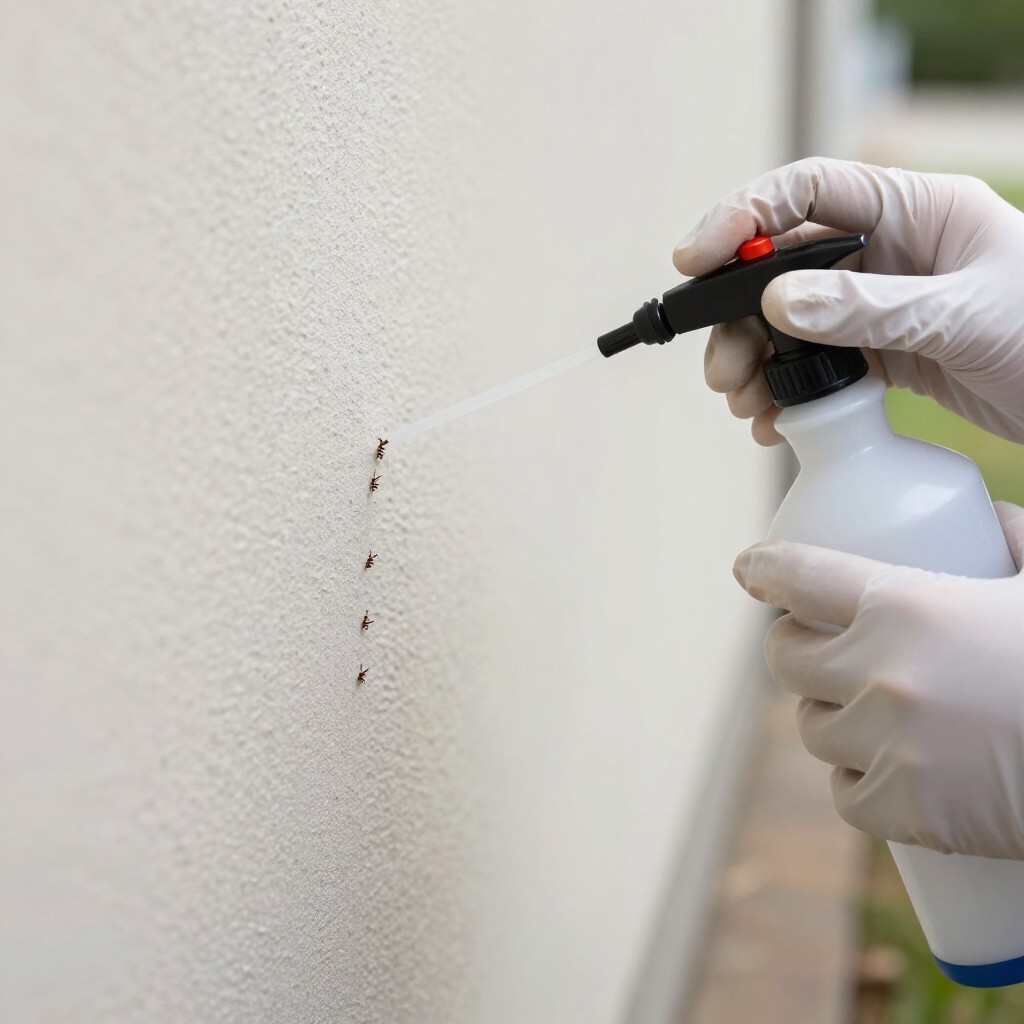
- Ant and cockroach control — Targeted treatments for kitchen and moisture-prone areas using gel baits, granular applications, and residual barriers.
- Stinging insect removal — Safe nest elimination for yellow jackets, hornets, and paper wasps nesting in eaves, shrubs, or ground cavities.
- Spider and occasional invader control — Perimeter treatments reducing cellar spiders, wolf spiders, and seasonal millipede or earwig influxes.
- Wildlife management — Humane trapping and exclusion for raccoons, squirrels, skunks, and bats, with attention to Indiana DNR regulations.
- Mosquito reduction — Breeding site elimination and barrier treatments for residential yards and outdoor event venues.
- Commercial pest programs — Customized plans for food service, healthcare, manufacturing, and retail with documentation for health inspections.
Many providers offer emergency response for severe infestations or health-threatening situations like yellow jacket nests near entryways or bats in living spaces.
Frequently Asked Questions
How much does pest control cost in Seymour?
General pest control for an average home typically runs $100–$150 per quarterly visit, with initial treatments sometimes higher. Termite protection plans average $800–$1,500 for initial treatment with annual renewals around $200–$400. Bed bug elimination ranges considerably based on treatment method and infestation extent. Always request itemized quotes from multiple providers.
Are pest control treatments safe for my pets?
Modern pest control products, when applied by licensed professionals following label directions, pose minimal risk to pets. Your technician should advise specific precautions—typically removing pets during application and until products dry, usually 2–4 hours. Mention fish tanks, bird cages, or exotic pets before treatment, as some species are more sensitive.
Why do I see more pests after treatment?
Temporary increased activity is normal and actually indicates treatment effectiveness. Pesticides and baits often agitate pests, driving them from harborage areas before they succumb. This flushing effect typically resolves within 7–10 days. Contact your provider if activity persists beyond two weeks or increases dramatically, as this may signal an untreated nest or entry point.