


Pest Control Services in Bedford, IN
Bedford sits in the heart of southern Indiana's limestone country, where the rolling hills and wooded terrain of Lawrence County create ideal conditions for a wide range of pests. From the historic homes near the downtown square to newer developments along Highway 37 and rural properties throughout the county, Bedford residents face unique pest challenges shaped by our local geography and seasonal weather patterns.
Our pest control services in Bedford, Indiana address the specific problems that arise in this region. The karst topography—marked by caves, sinkholes, and underground waterways—provides harborage for rodents, cave crickets, and other pests that can migrate into homes. Meanwhile, the proximity to Hoosier National Forest and numerous limestone quarries means wildlife encounters remain common for property owners throughout Lawrence County.
Common Pest Problems in Bedford
Homeowners and businesses in Bedford typically need help with several recurring issues:
- Termites — Eastern subterranean termites thrive in our moist soil conditions and pose serious threats to wooden structures, including the historic limestone buildings with timber framing found throughout the area.
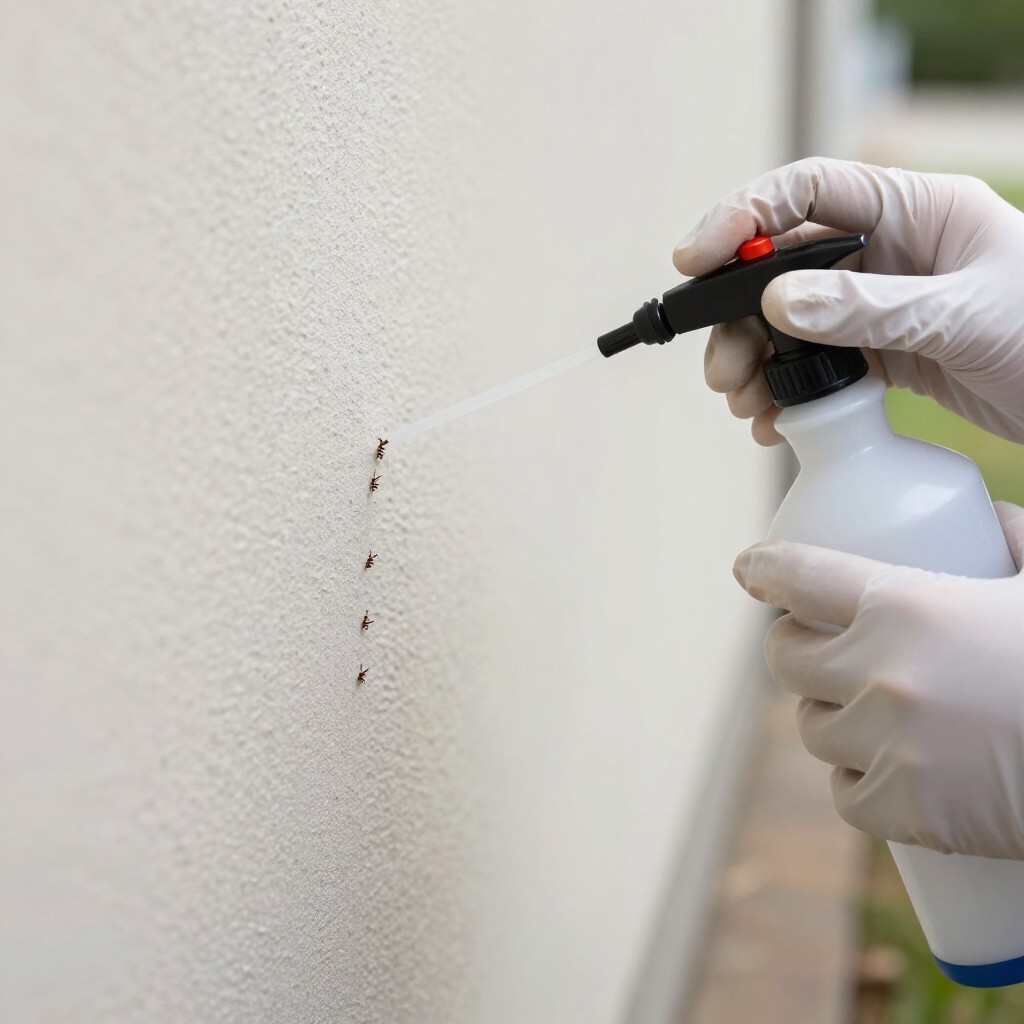
- Ants — Pavement ants, odorous house ants, and carpenter ants become particularly active during spring and summer months, often entering through foundation cracks common in older Bedford homes.
- Spiders — Brown recluse spiders and wolf spiders frequent basements, crawl spaces, and outbuildings. The brown recluse deserves special attention given its medically significant bite.
- Rodents — Mice and rats seek shelter as temperatures drop, with field mice from surrounding agricultural and wooded areas commonly entering homes near the outskirts of town.
- Stinging insects — Paper wasps, yellow jackets, and hornets build nests in eaves, attics, and ground cavities, becoming aggressive in late summer.
- Bed bugs — These resilient pests continue affecting Bedford households, requiring professional heat treatment or integrated pest management approaches.
Commercial properties—including restaurants along John Williams Boulevard, hotels serving tourists visiting our limestone heritage sites, and agricultural operations—require customized pest management programs that comply with health regulations while protecting their reputations.
Seasonal Pest Activity in Lawrence County
Bedford's four distinct seasons drive predictable pest patterns. Spring brings termite swarms and ant invasions as colonies expand. Summer peaks with mosquito activity near waterways, stinging insects, and spider populations. Fall triggers rodent migration indoors. Winter sees persistent indoor pests like cockroaches and bed bugs that thrive in heated structures.
Our technicians understand how limestone geology affects pest behavior here. The constant temperature and humidity in cave systems and abandoned quarries allow certain pests to survive year-round, creating reservoir populations that periodically surface in nearby buildings.
Frequently Asked Questions About Pest Control in Bedford
How much does pest control cost in Bedford, Indiana?
Most Bedford homeowners pay between $100-$300 for initial treatments, with ongoing quarterly maintenance plans ranging $40-$80 per visit. Costs vary based on pest type, infestation severity, and property size. Termite treatments typically run higher due to specialized methods required. We provide detailed estimates after inspection.
Are brown recluse spiders really common in Bedford homes?
Yes, brown recluse spiders are established throughout Lawrence County and frequently found in Bedford residences. They prefer dark, undisturbed areas like basements, closets, and storage boxes. While bites are uncommon and often misdiagnosed, their venom can cause significant tissue damage. Professional inspection and targeted treatment reduce harborage areas effectively.
How does Bedford's limestone geology affect pest control?
The karst landscape creates extensive underground networks that pests exploit. Cave crickets, certain spider species, and rodents use these systems for shelter and movement. Sinkholes and foundation settling common in limestone areas create entry points into structures. Effective pest management here requires understanding these geological factors and adapting treatment strategies accordingly.
What should I do between professional pest control visits?
Seal cracks around foundations, windows, and utility penetrations. Eliminate standing water and reduce moisture in basements and crawl spaces. Store firewood away from structures, maintain vegetation clearance, and keep food in sealed containers. Regular gutter cleaning prevents water accumulation that attracts pests. Report any new pest activity promptly so we can adjust your protection plan.