


Pest Control Services in Lowell, IN
Lowell sits at the crossroads of rural Lake County and expanding suburban development, creating unique pest pressures that shift with the seasons. The town's blend of historic homes near the downtown district, newer subdivisions, and surrounding agricultural land means residents face everything from field mice seeking winter shelter to ants exploiting cracks in century-old foundations.
Our technicians understand Lowell's specific challenges. The proximity to the Kankakee River corridor and local wetlands increases mosquito and moisture-loving pest activity during humid Indiana summers. Meanwhile, the corn and soybean fields bordering residential areas drive seasonal invasions of rodents, boxelder bugs, and Asian beetles as temperatures drop.
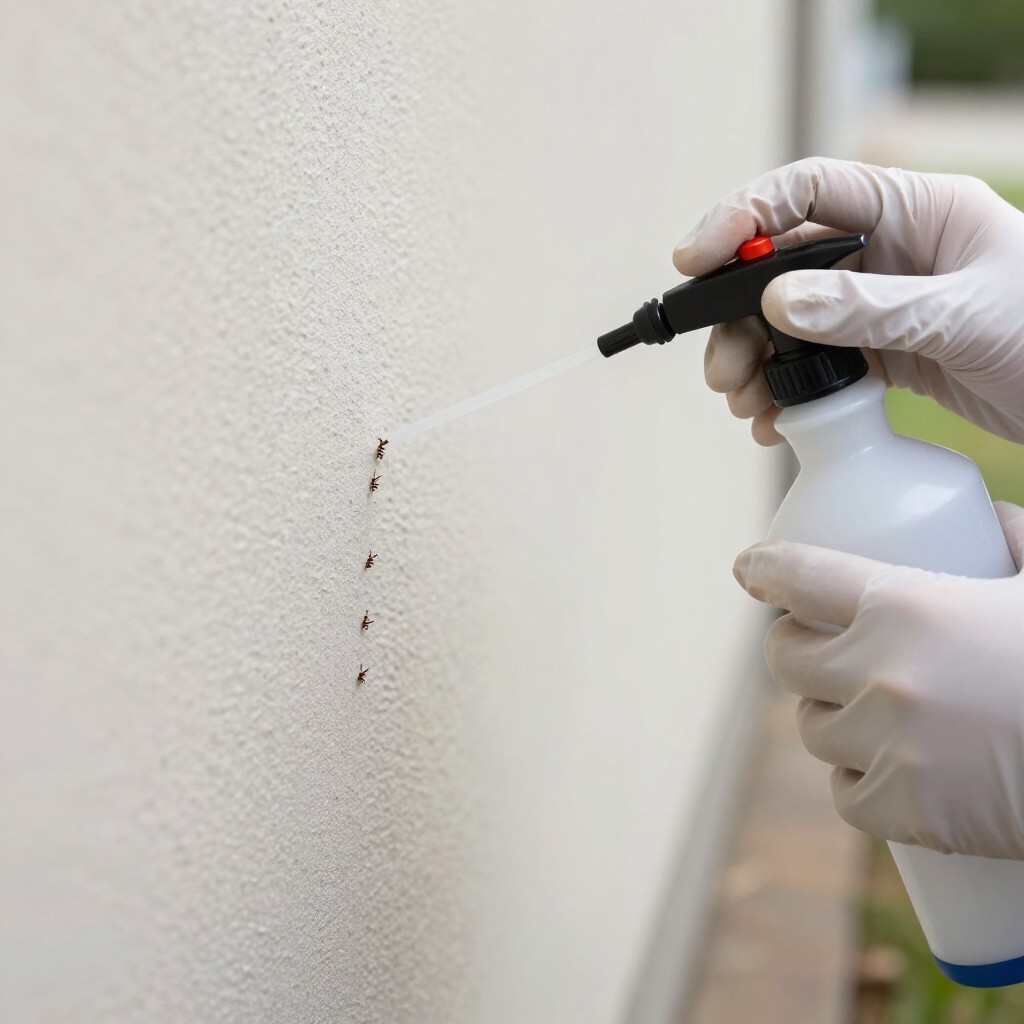
We provide comprehensive pest management tailored to Lowell's housing stock and environmental conditions. Whether you're in a vintage home near the historic district dealing with carpenter ants in original wood framing, or a newer build near the golf course fighting perimeter ant trails, our treatments account for construction age, landscaping, and nearby habitat.
Services available throughout Lowell include general pest defense programs, targeted ant and spider control, rodent exclusion and trapping, mosquito reduction treatments, termite monitoring and protection, wasp and hornet nest removal, and seasonal preparations for overwintering pests.
Common Pest Questions for Lowell Homeowners
Why do I see more ants in my Lowell home during spring rains?
Lowell's clay-heavy soils and seasonal saturation push pavement ants and odorous house ants to seek higher, drier ground. Spring rains penetrate soil colonies, forcing reproductive scouts indoors through foundation gaps common in both historic and newer construction. Our perimeter treatments create a protective barrier before peak migration begins.
Are field mice from surrounding farmland a year-round problem in Lowell?
While Lowell's agricultural borders mean mice remain active in fields year-round, indoor infestations spike dramatically from October through December as crops are harvested and temperatures fall. These deer mice and white-footed mice enter through gaps as small as a dime, often following utility lines into basements and wall voids. Exclusion work combined with strategic trapping resolves existing problems and prevents recurrence.
How does living near the Kankakee River affect mosquito pressure?
Lowell residents within a mile of river wetlands, retention ponds, or drainage ditches experience significantly extended mosquito seasons—from late April through mid-October. Our treatment programs target both adult resting sites and larval development zones, reducing breeding capacity rather than just temporarily repelling adults.
What should Lowell homeowners know about termite risks?
Eastern subterranean termites are established throughout Lake County, and Lowell's mature tree canopy and irrigation practices create favorable soil moisture conditions. Homes with buried wood debris, improper grading, or direct soil-to-wood contact face elevated risk. We recommend annual inspections for properties over ten years old, with monitoring systems available for ongoing protection.
Seasonal Pest Patterns in Lowell
Understanding Lowell's seasonal cycles helps homeowners anticipate and prevent problems rather than reacting to full-blown infestations.
Spring (March–May): Ant swarms emerge, often the first visible sign of indoor colony establishment. Carpenter bees target untreated wood on older homes. Boxelder bug nymphs hatch on host trees and begin clustering on sun-warmed south walls.
Summer (June–August): Mosquito populations peak near wetland areas. Spiders multiply in garages and outbuildings. Yellowjackets and paper wasps build nests in eaves, play structures, and landscaping.
Fall (September–November): The critical invasion window. Stink bugs, Asian beetles, and cluster flies seek overwintering harborage in wall voids and attics. Field mice begin interior migrations.
Winter (December–February): Activity concentrates indoors. Mice remain active in basements and kitchens. Overwintering insects may emerge during warm spells, creating confusion about "new" infestations.