
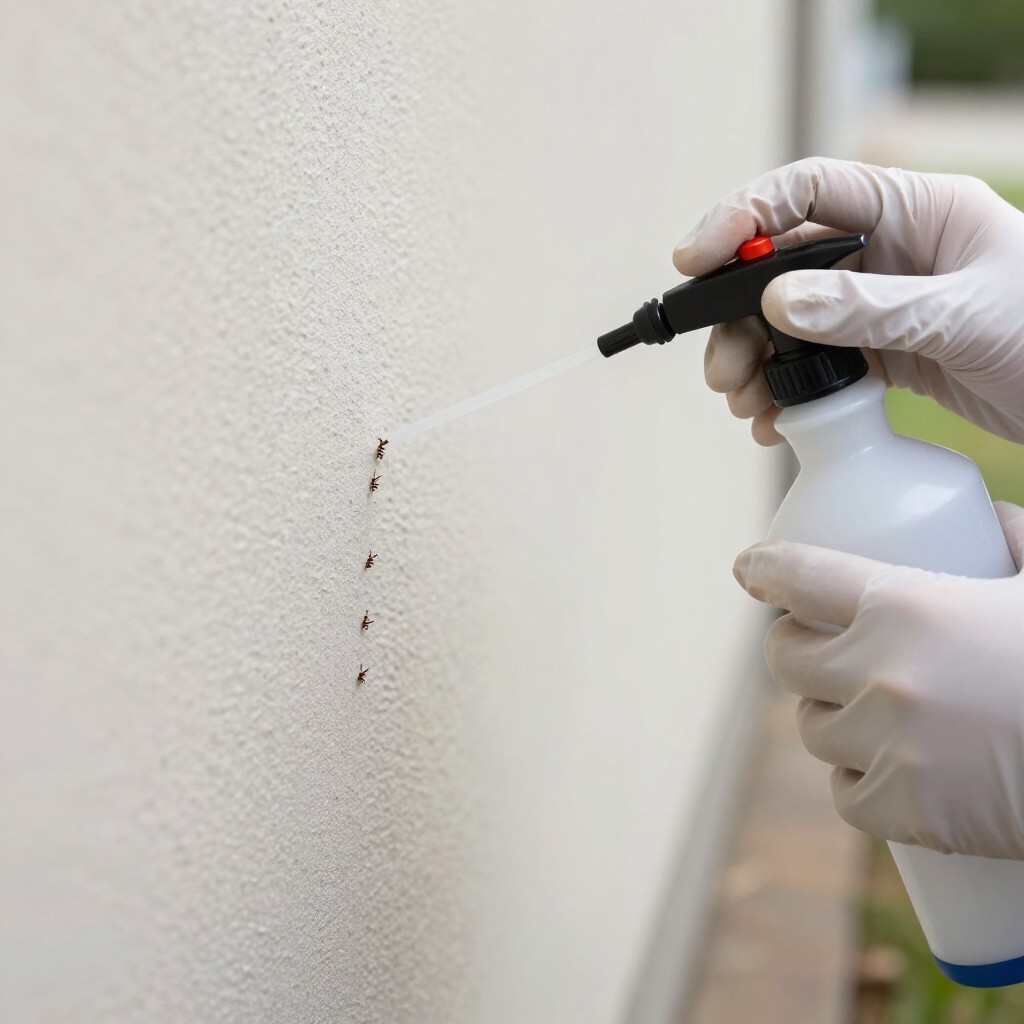


Pest Control Services in Crown Point, IN
Crown Point sits at the heart of Lake County, Indiana, where the mix of historic neighborhoods, newer subdivisions, and proximity to wetlands creates unique pest pressures throughout the year. From the tree-lined streets near the historic downtown square to the expanding residential areas along Route 41, homeowners and businesses face seasonal invaders that thrive in Northwest Indiana's climate.
The area's location near the Little Calumet River watershed and numerous retention ponds means mosquito populations surge from late spring through early fall. Meanwhile, the mature oak and maple trees that give Crown Point its charm provide harborage for carpenter ants, while the harsh lake-effect winters drive rodents indoors seeking shelter in basements, attics, and crawl spaces.
Local pest control approaches in Crown Point account for these regional factors. Treatment plans typically address the four-season cycle: proactive perimeter defense in spring, moisture and mosquito management in summer, rodent exclusion before winter, and interior monitoring during the coldest months. For properties near agricultural edges or the county's nature preserves, additional considerations for field mice, boxelder bugs, and Asian lady beetles become necessary.
Commercial properties around the Crown Point Courthouse district, along Main Street, and in the retail corridors near 109th Avenue require discreet, scheduled service that minimizes disruption to customers. Restaurants, healthcare facilities, and multi-family housing have specific compliance needs under Indiana state regulations and local health department requirements.
Common Pest Questions for Crown Point Homeowners
What pests are most active in Crown Point during spring and summer?
Ants, particularly pavement ants and carpenter ants, become highly active in Crown Point from April through June as soil temperatures rise. Mosquitoes peak from June through August, especially in neighborhoods near water retention areas or with poor drainage. Wasps and hornets establish nests in eaves, soffits, and landscaping by mid-summer. The humid conditions around Lake County also support spider populations, with wolf spiders and house spiders commonly found in basements and garages.
How do I prevent mice from entering my Crown Point home in winter?
Start exterior inspection in early October before temperatures consistently drop. Seal gaps larger than one-quarter inch around foundation penetrations, where utility lines enter, and along garage door seals. Pay special attention to older homes in the historic district, where settling foundations and worn weatherstripping create entry points. Store firewood at least 20 feet from structures, and eliminate clutter in basements and attics that provides nesting material. Professional exclusion services can identify less obvious access points around rooflines and chimney flashing.
Are termites a concern in Crown Point, Indiana?
Eastern subterranean termites are present throughout Lake County and pose a genuine risk to Crown Point structures. The clay-heavy soils common in the area retain moisture favorable to termite colonies. Spring swarms typically occur from March through May after warm rains. Homes with finished basements or dirt crawl spaces face elevated risk, as do properties with wood-to-soil contact from deck posts, fencing, or landscaping timbers. Annual inspections are recommended, particularly for homes more than 20 years old or those with previous termite history.
Pest Control Throughout Crown Point Neighborhoods
Service coverage extends across all Crown Point areas, from the established homes near the Lake County Fairgrounds to newer developments south of 113th Avenue. Whether you're dealing with occasional invaders in a townhouse near the courthouse or ongoing carpenter ant issues in a wooded lot off Main Street, treatment strategies adapt to each property's construction type, age, and surrounding environment.
Seasonal programs align with Northwest Indiana's distinct climate patterns rather than generic national schedules. This means adjusting application timing for the lake-effect snow belt, accounting for heavier spring precipitation that drives earwigs and millipedes indoors, and recognizing the extended mosquito season that coastal proximity creates along the southern Lake Michigan region.