

Pest Control Services in Nappanee, IN
Nappanee sits at the heart of Elkhart County's agricultural landscape, where fertile farmland meets small-town living. This unique setting creates specific pest pressures that differ from more urban areas of northern Indiana. The blend of residential neighborhoods, Amish farms, and growing commercial districts means Nappanee homeowners face everything from field mice seeking winter shelter to pantry pests hitchhiking on stored grain products.
Seasonal changes drive much of the pest activity throughout Nappanee. Spring brings carpenter ants swarming from damp wood along the Little Elkhart River watershed. Summer months see spider populations booming in barns, outbuildings, and homes near crop fields. Fall triggers rodent migration indoors as temperatures drop across Elkhart County's open farmland. Even winter doesn't bring complete relief, as overwintering stink bugs and boxelder bugs cluster in wall voids of well-insulated homes.
Local expertise matters for effective pest management here. Technicians familiar with Nappanee understand how field drainage patterns affect mosquito breeding, which outbuilding configurations attract raccoons and opossums, and why certain foundation types common in the area prove especially vulnerable to termite pressure. Treatment approaches must account for the area's mix of historic homes, newer construction, and agricultural outbuildings—each presenting distinct challenges.
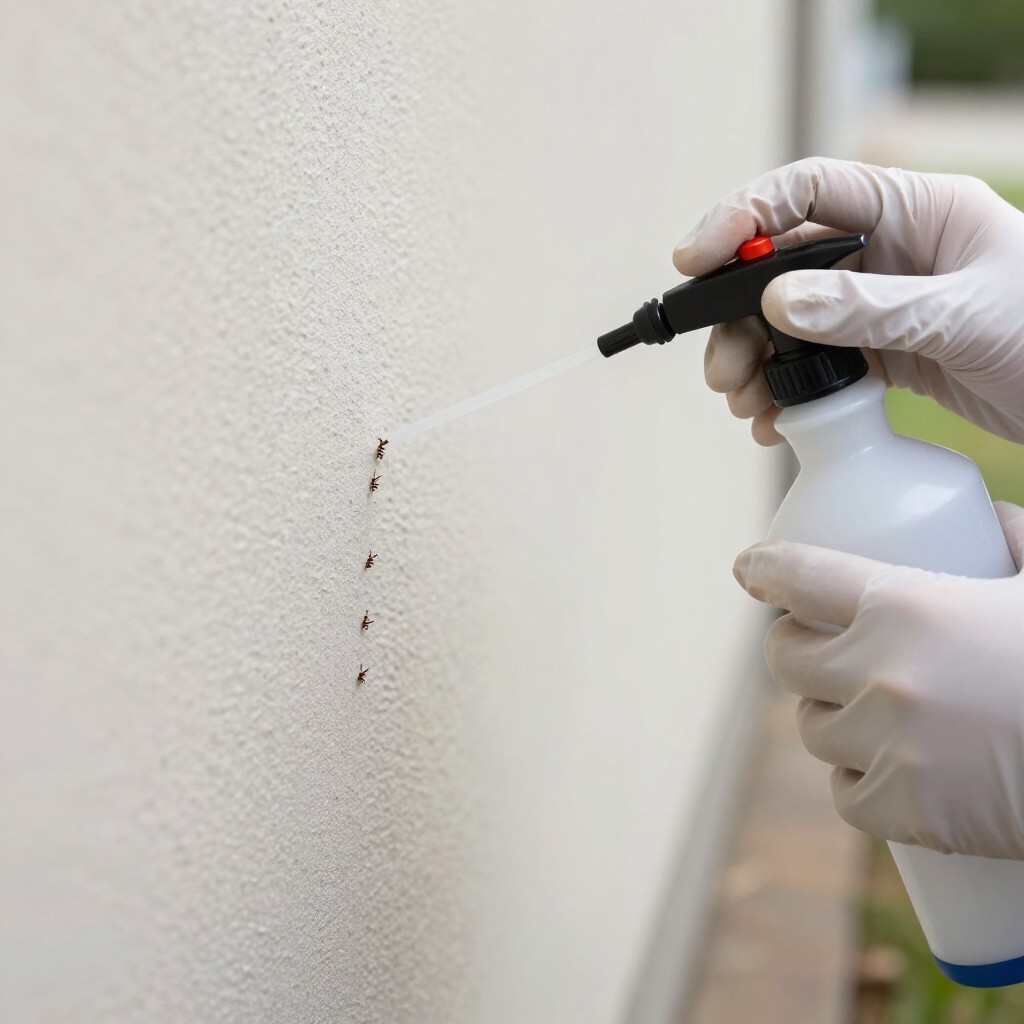
Integrated pest management serves Nappanee residents particularly well. This approach combines targeted treatments with preventive measures like sealing entry points, managing moisture, and modifying habitat conditions around properties. For homes near active farmland, perimeter defenses become especially important to intercept pests before they establish indoor populations.
Frequently Asked Questions About Pest Control in Nappanee
What pests are most common in Nappanee homes?
Field mice and rats rank among the most frequent complaints, particularly for properties bordering farmland or with outbuildings. Carpenter ants thrive in the humid conditions near waterways. Spiders—including wolf spiders and orb-weavers—multiply quickly in barns and garages. During harvest season, grain beetles and weevils sometimes migrate from storage areas into homes. Stink bugs have become increasingly problematic since their regional spread, clustering on south-facing walls in fall.
How does living near farmland affect pest pressure?
Proximity to agricultural fields creates distinct seasonal patterns. Spring planting disturbs overwintering rodents, pushing them toward structures. Summer crop growth provides abundant food sources that boost populations of mice, voles, and insects. Fall harvest eliminates these food sources, triggering mass migration into homes, barns, and outbuildings. Additionally, grain storage and livestock operations attract specific pests like Indian meal moths, sawtoothed grain beetles, and flies that may spread to nearby residences.
Are termites a concern in Nappanee?
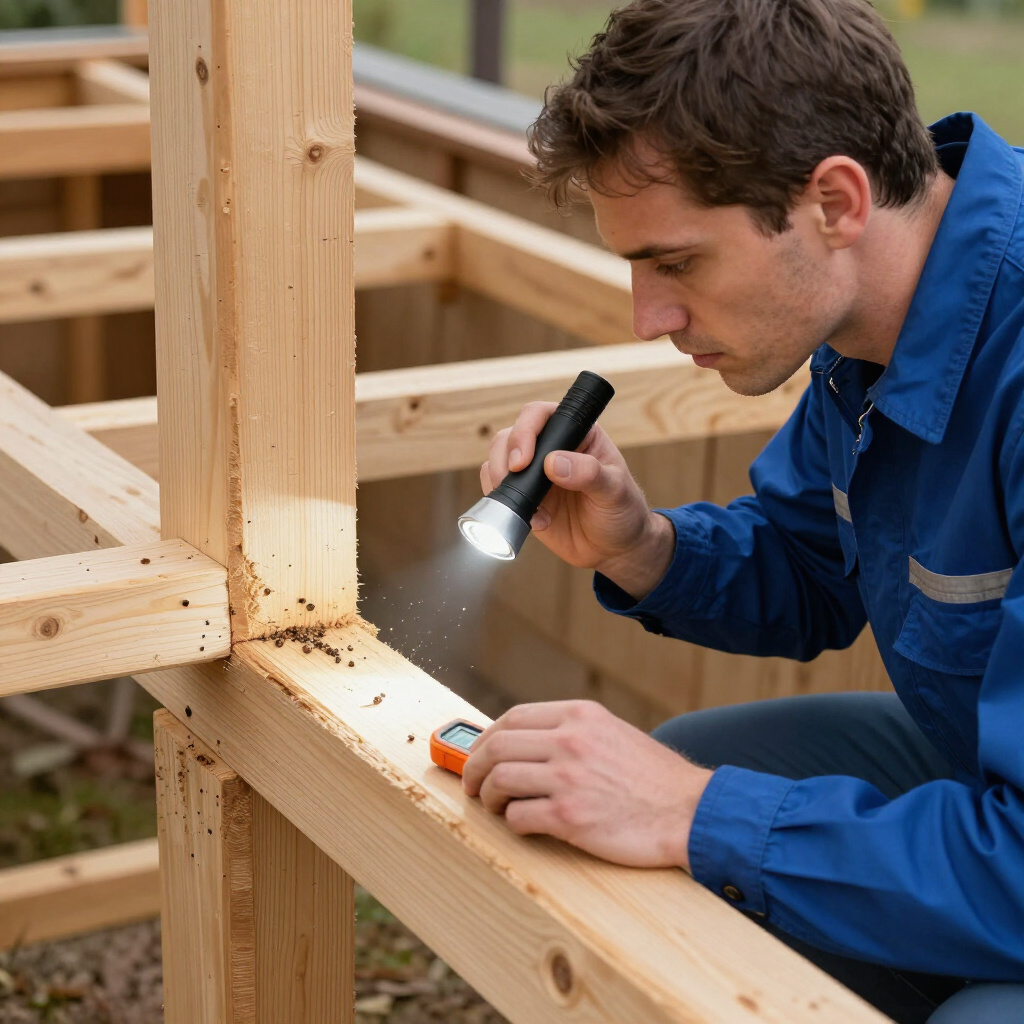
Eastern subterranean termites are present throughout Elkhart County, including Nappanee. Homes with crawl spaces or slab foundations built before modern pretreatment standards face elevated risk. The area's clay-rich soils and seasonal moisture fluctuations create favorable conditions for termite colonies. Historic structures and properties with wood-to-ground contact—common in outbuildings and older homes—require particular vigilance. Professional inspection every one to two years provides early detection, as termite damage often remains hidden until significant structural impact occurs.
What should I do about pests in my barn or outbuilding?
Agricultural outbuildings require specialized approaches distinct from residential treatment. Rodent baiting programs using secured, tamper-resistant stations protect livestock feed and equipment while minimizing risks to animals. Exclusion work—sealing gaps larger than one-quarter inch, installing door sweeps, and repairing soffits—prevents recurring infestations. For structures storing grain or feed, monitoring programs track pest activity before populations explode. Coordination between residential and outbuilding treatments prevents pests from simply relocating between structures on your property.
How quickly can pest control respond to active infestations?
Most providers serving Nappanee offer appointment scheduling within 24-48 hours for standard concerns. Emergency situations—such as extensive bee or wasp nest activity near entryways, sudden rodent outbreaks, or visible termite swarming—typically warrant same-day response. Seasonal demand fluctuations affect availability, with fall rodent calls and spring ant seasons creating peak periods. Establishing ongoing service agreements often includes priority scheduling guarantees that prove valuable during high-demand periods.