


How to Choose a Pest Control Professional in Marion
Finding the right pest control provider in Marion means looking beyond flashy advertising to what actually matters for your home and property. In Grant County, where seasonal shifts bring distinct pest pressures throughout the year, local expertise makes a measurable difference in treatment outcomes.
Start by verifying Indiana state licensing through the Office of the Indiana State Chemist. Any legitimate operator must hold proper pesticide applicator certification. Ask specifically about experience with Marion's common issues—structural damage from termites, rodent infestations in older homes near downtown, and the persistent ant problems that flare during humid summer months along the Mississinewa River corridor.
Request a written inspection report before committing to service. Quality professionals in Grant County will identify entry points, nesting areas, and conducive conditions rather than offering blanket treatments. Compare warranty terms carefully; the best companies stand behind their work with retreatment guarantees and responsive follow-up scheduling.
Check for integrated pest management (IPM) approaches. Marion homeowners benefit from providers who prioritize exclusion, habitat modification, and targeted applications over indiscriminate chemical spraying—particularly important for families with children, pets, or sensitivity concerns.
What to Expect from Pest Control Services in Marion
Your initial service typically begins with a thorough property assessment. Technicians examine foundation perimeters, crawl spaces, attics, and interior moisture-prone areas common in Marion's mixed housing stock—from historic Victorians near the courthouse square to mid-century ranch homes in the residential neighborhoods.
Following inspection, you'll receive a customized treatment plan with clear pricing. Most residential services in Grant County operate on either one-time remediation or recurring protection schedules. Quarterly programs remain popular for ongoing prevention, while targeted interventions address active infestations.
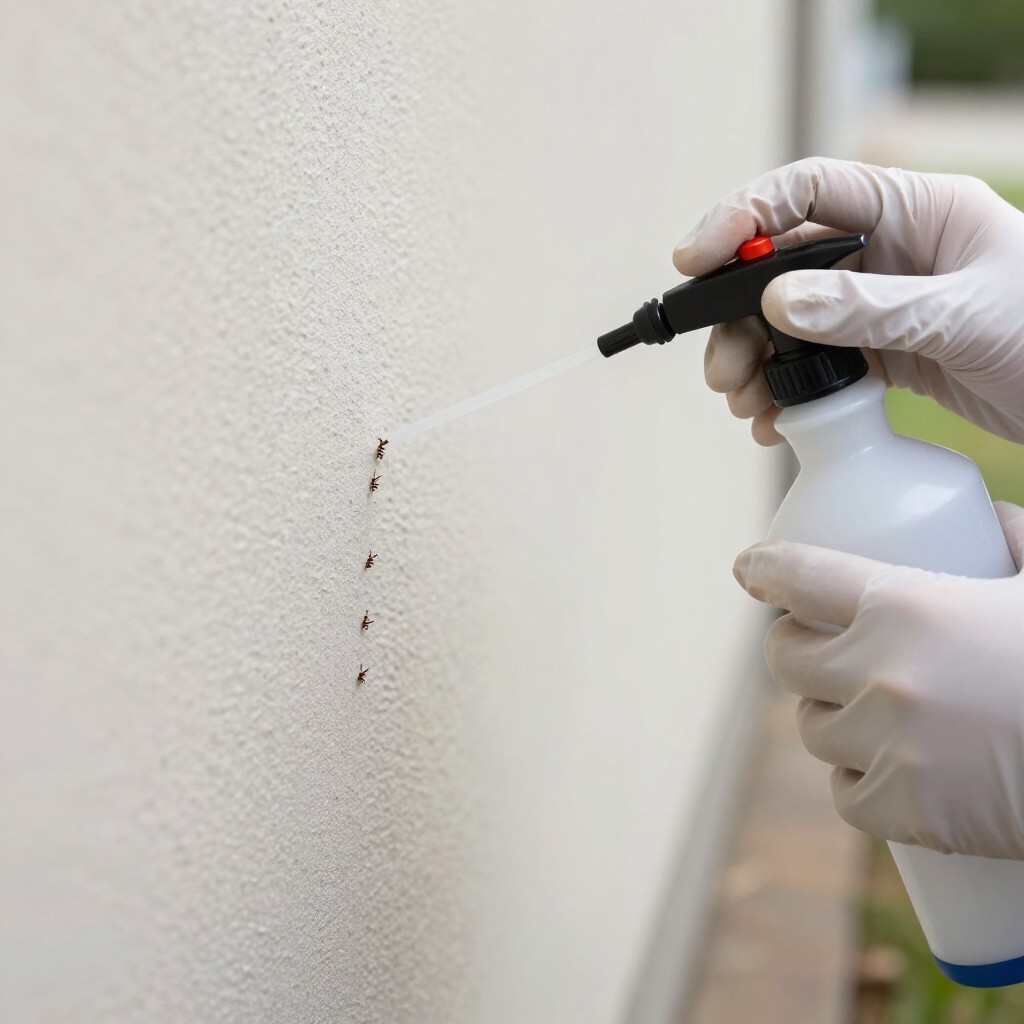
During treatment, expect technicians to seal visible entry points, apply barrier treatments around the structure, and place monitoring devices in strategic locations. Interior treatments focus on cracks, voids, and harborage areas rather than broad surface applications. Documentation should include what products were used, where, and any safety precautions.
Follow-up timing varies by pest type. Bed bug protocols demand multiple visits over weeks. Termite monitoring requires seasonal checks. General pest maintenance typically includes between-visit callbacks if activity resumes. Reputable Marion providers communicate proactively about what you're seeing and adjust approaches accordingly.
Available Pest Control Services
Marion residents can access comprehensive pest management across residential, commercial, and agricultural-adjacent properties throughout Grant County.
Residential Pest Control
Home protection plans cover ants, spiders, cockroaches, silverfish, and occasional invaders like millipedes and boxelder bugs. Seasonal perimeter treatments create defensive barriers before pests attempt indoor entry. Specialized services target bed bugs, termites, and rodents requiring distinct expertise and equipment.
Commercial Pest Management
Businesses along South Western Avenue, throughout the industrial parks, and in retail corridors depend on discreet, documented service meeting health inspection standards. Food service, healthcare, warehousing, and manufacturing facilities each require protocol-specific approaches with detailed reporting for compliance.
Termite and Wood-Destroying Organism Control
Subterranean termites pose the greatest structural threat to Marion properties. Liquid barrier treatments, baiting systems, and pre-construction prevention protect investments. Carpenter ant remediation addresses the secondary wood destroyer frequently mistaken for termite activity.
Wildlife and Nuisance Animal Removal
Raccoons, squirrels, bats, and skunks create damage and health hazards when they access attics, crawl spaces, or outbuildings. Humane trapping, exclusion repairs, and sanitization restore safe conditions while preventing reentry through professional-grade materials.
Mosquito and Tick Reduction
Outdoor living spaces benefit from seasonal treatment programs targeting breeding sites and adult resting areas. Particularly relevant for properties near the Mississinewa Reservoir and wooded Grant County terrain where vector populations concentrate.
Frequently Asked Questions
How quickly can I get pest control service in Marion?
Most Marion providers offer appointments within 24-48 hours for active infestations. Emergency situations involving stinging insects, severe rodent issues, or bed bugs often qualify for same-day response. Seasonal scheduling may extend routine maintenance bookings during peak spring and summer demand.
Are pest control treatments safe for my family and pets?
Modern pest control emphasizes targeted, low-toxicity applications. Reputable technicians apply products according to labeled directions, use baits and gels in inaccessible areas when appropriate, and provide specific re-entry timing. Discuss household sensitivities, aquariums, or special considerations during your initial consultation for customized precautions.
What pests are most common in Marion homes?
Ants—particularly odorous house ants and pavement ants—top residential complaints, followed by spiders, mice, and occasional cockroach issues in multi-unit buildings. Seasonal patterns bring millipedes and boxelder bugs in fall, while termite swarmers appear in spring. Properties near agricultural areas or wooded margins experience elevated rodent and wildlife pressure.
Do I need year-round pest control or just seasonal service?
While Marion's pest pressures peak in warmer months, year-round protection prevents overwintering pests from establishing indoors and maintains consistent barrier defense. Many Grant County homeowners find quarterly service cost-effective compared to addressing preventable infestations reactively. Your specific property conditions, construction type, and history should guide this decision with professional input.