


How to Choose a Pest Control Professional in Dyer
Dyer sits in the heart of Lake County, Indiana, where seasonal shifts and proximity to wetlands create unique pest pressures. Finding the right professional means looking beyond generic promises to verify local expertise.
Start with proper licensing through the Indiana Office of the State Chemist. Any legitimate operator must carry a commercial pesticide applicator license. Ask for documentation and verify it's current—Lake County inspectors actively enforce compliance, and working with unlicensed applicators risks both legal trouble and ineffective treatment.
Experience with Dyer's specific challenges matters. The town's mix of established neighborhoods near Calumet Avenue, newer developments around Highland Drive, and properties backing up to waterways each present distinct pest profiles. A professional familiar with the area should discuss how soil composition, drainage patterns, and local wildlife corridors affect treatment strategies.
Request integrated pest management (IPM) approaches rather than blanket chemical applications. The best providers in Dyer emphasize prevention—sealing entry points, moisture control, and habitat modification—before reaching for pesticides. This proves especially important for families with young children, pets, or concerns about runoff into nearby Stoney Run watershed areas.
Check reviews specifically mentioning follow-through. Pest issues rarely resolve in a single visit, and Dyer homeowners often deal with recurring ant swarms in spring or rodent pressure as temperatures drop. Look for companies with clear retreatment policies and responsive communication.
What to Expect from Pest Control Services in Dyer
Understanding the service process helps set realistic expectations and ensures you receive thorough treatment.
Initial inspection typically takes 45–90 minutes depending on property size. The technician examines interior perimeters, basements, crawl spaces, attics, and exterior foundations. In Dyer, particular attention goes to garage areas—common entry points for field mice from adjacent open land—and kitchen plumbing penetrations where ants establish trails.
Treatment planning follows immediately. Reputable providers explain what they found, which species are present, and why certain methods make sense. They should note any special considerations: bee allergies in the household, koi ponds requiring protection, or vegetable gardens that limit where products can be applied.
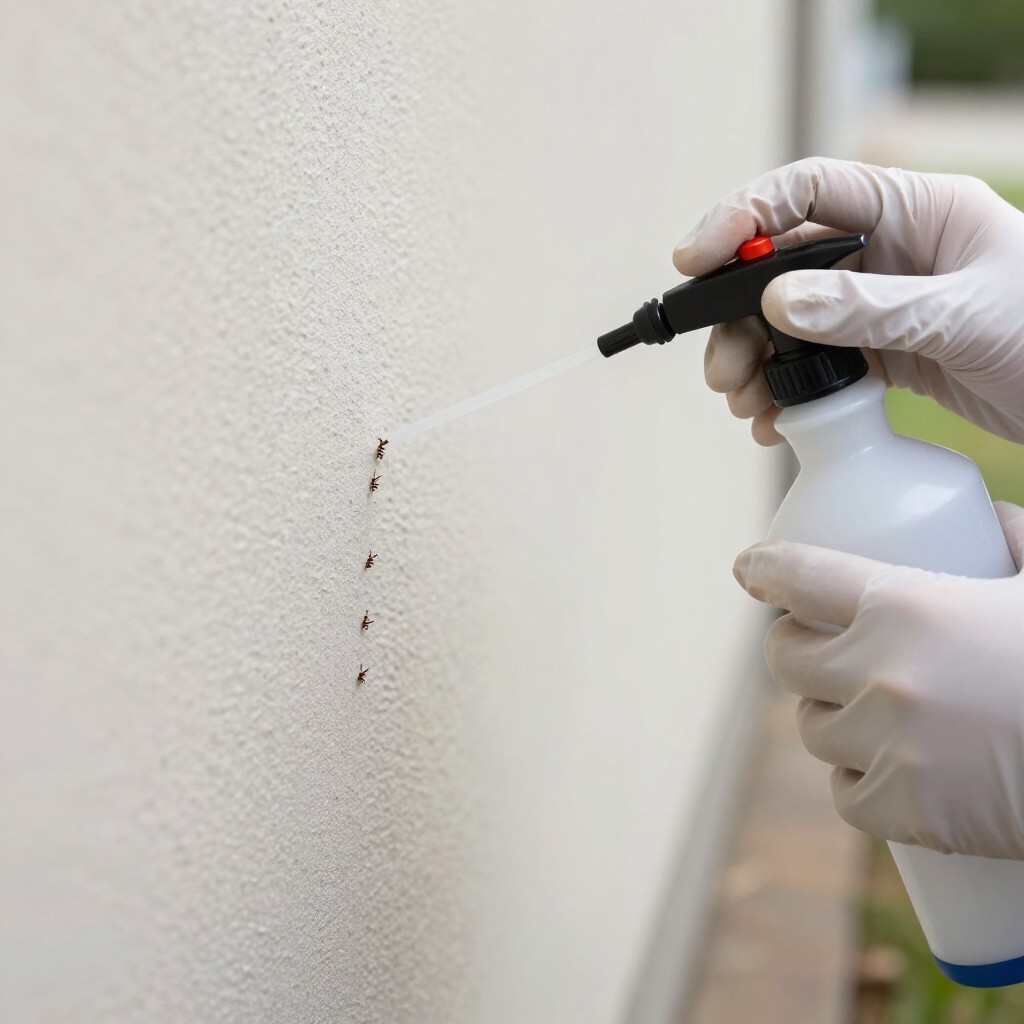
First treatment addresses active infestations and establishes protective barriers. Exterior perimeter applications target the foundation, eaves, and ground-level entry points. Interior treatments focus on harborage areas while avoiding food preparation surfaces and sensitive spaces. Gel baits, dust formulations, and mechanical traps often supplement liquid applications for comprehensive coverage.
Follow-up scheduling varies by program. Quarterly maintenance suits most Dyer homes for general pest prevention. Active infestations may need bi-weekly visits initially, then transition to maintenance. Winter service typically emphasizes interior monitoring and rodent exclusion, while spring and summer appointments prioritize exterior barrier renewal before peak activity.
Available Pest Control Services in Dyer
Local providers offer targeted solutions aligned with regional pest pressures.
Residential Pest Management
Comprehensive programs covering ants, spiders, cockroaches, silverfish, and occasional invaders like earwigs and millipedes. These form the backbone of most Dyer homeowners' pest prevention, with quarterly exterior treatments supplemented by interior spot treatments as needed.
Termite Control
Eastern subterranean termites remain active throughout Lake County. Liquid barrier treatments using non-repellent termiticides protect structures, while baiting systems provide colony elimination with minimal environmental disruption. Annual inspections are essential given Dyer's mature housing stock in neighborhoods near Eleanor Street and Joliet Street.
Rodent Exclusion and Control
Mice and rats exploit foundation gaps, deteriorated garage door seals, and utility penetrations. Effective service combines trapping, exterior bait stations, and physical exclusion—sealing openings larger than one-quarter inch with appropriate materials.
Mosquito and Tick Reduction
Seasonal programs targeting breeding sites and resting areas. Treatments focus on vegetation, shaded perimeter zones, and standing water elimination. Particularly valuable for properties near wetlands or with substantial landscaping.
Stinging Insect Management
Yellow jacket, hornet, and paper wasp nest removal requires specialized equipment and timing. Ground-nesting species prove especially problematic in Dyer's park-adjacent properties. Professionals should distinguish between aggressive species requiring elimination and beneficial pollinators better left undisturbed.
Bed Bug Treatment
Heat remediation and targeted insecticide applications address these challenging pests. Given Dyersville's location along commuter corridors, bed bug introductions from travel require prompt, thorough response to prevent widespread infestation.
Frequently Asked Questions About Pest Control in Dyer
How quickly can pest control work in Dyer?
Most providers offer appointments within 1–3 business days for standard issues. Emergency situations—severe wasp nests, aggressive bee hives, or active rodent infestations—often qualify for same-day service. Seasonal peak periods in May and September may extend wait times slightly.
Are pest control treatments safe for pets and children?
Modern products used by licensed professionals carry low toxicity profiles when applied according to label directions. Reputable technicians specify re-entry intervals—typically 2–4 hours for liquid applications. They avoid treating areas pets frequent, use bait stations inaccessible to children, and can select reduced-risk formulations for sensitive households.
What pests are most common in Dyer specifically?
Odorous house ants and pavement ants dominate spring and summer complaints. Field mice increase dramatically from October through December. Spiders—including harmless cellar spiders and occasional brown recluse encounters—generate frequent calls. Stinging insects peak in late summer, while termite swarmers appear April through June.
Do I need year-round service or just seasonal treatments?
While seasonal treatments address immediate problems, year-round programs provide better long-term value in Dyer's climate. Winter interior monitoring catches early rodent activity before breeding populations establish. Spring exterior barriers prevent ant colonization before trails form. The continuous protection typically costs less per visit than sporadic emergency treatments.