
There's a certain pride that comes with handling household problems on your own. A leaky faucet? You've got a wrench for that. A squeaky door? A little WD-40 does the trick. But when it comes to pests, the DIY approach can quickly turn from a weekend project into a full-blown infestation. Knowing when to call a pest control professional can save you time, money, and a whole lot of stress. Some situations demand expert intervention, and recognizing those moments early makes all the difference between a quick resolution and a persistent problem.
When to Call a Pest Control Professional: Warning Signs You Shouldn't Ignore
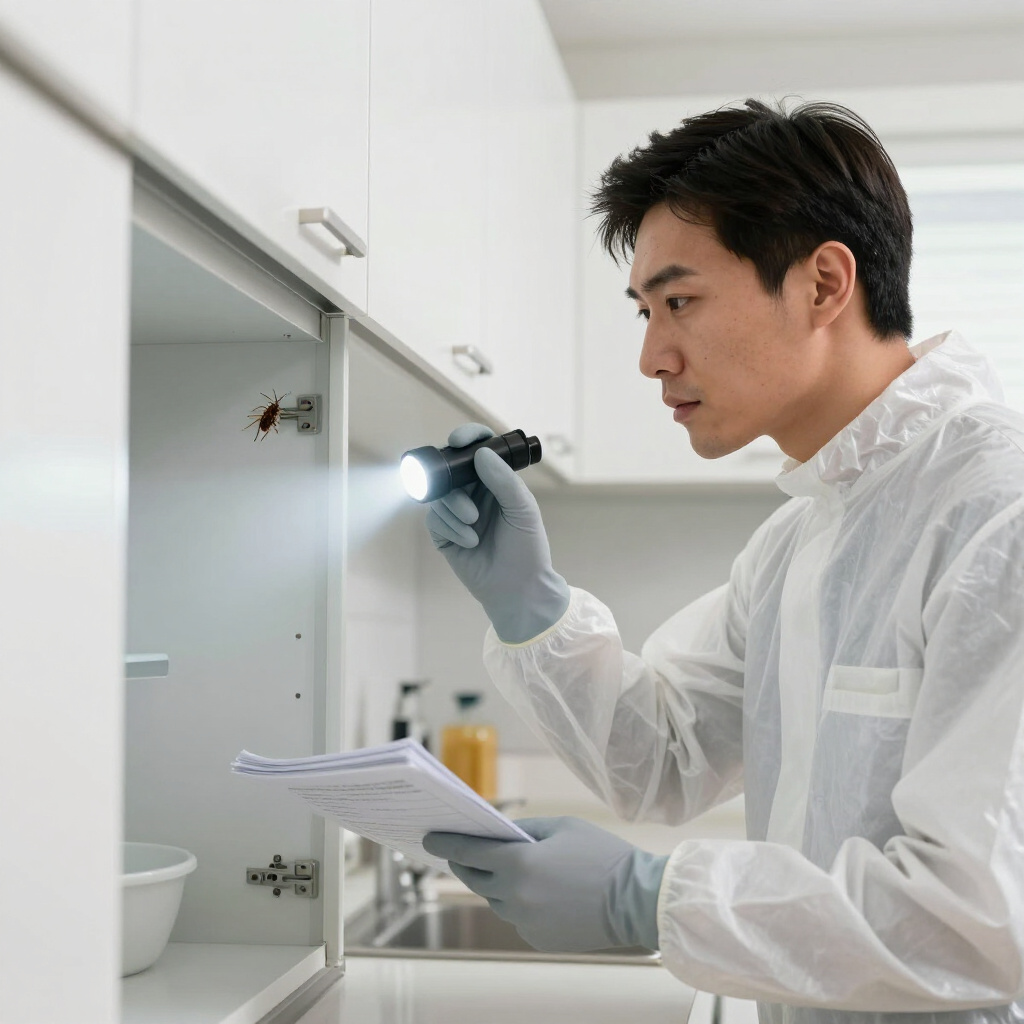
Certain red flags make it clear that professional help is your best option. If you're seeing live pests during daylight hours, that's often a significant indicator. Most common household pests—cockroaches, rodents, and certain ant species—are nocturnal by nature. Spotting them in broad daylight usually means their population has grown large enough that they're competing for hiding spots, forcing some members out into the open.
Droppings, gnaw marks, and unusual odors are additional signals that shouldn't be dismissed. Rodent droppings near food sources, chewed wiring or baseboards, or a persistent musty smell in specific areas of your home all point to established pest activity. Similarly, finding shed skins, egg casings, or dead insects in concentrated areas suggests breeding is happening on your property.
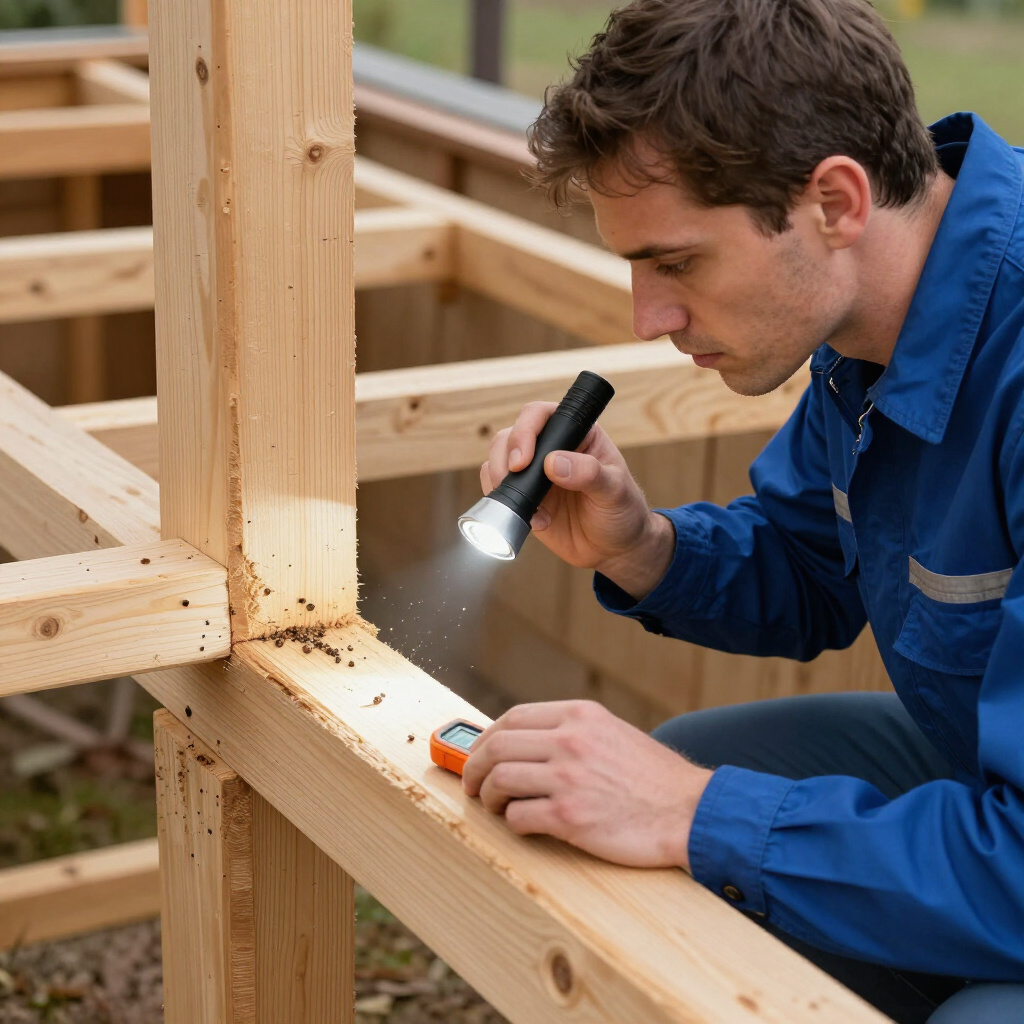
Structural damage deserves immediate attention. Termites alone can compromise the integrity of wooden structures long before you ever see a single insect. Hollow-sounding wood, bubbling paint, or mud tubes along your foundation are urgent signs that professional assessment is necessary. The longer these issues persist, the more extensive and expensive the remediation becomes.
Pest Types That Demand Expert Intervention
Not all pests are created equal in terms of the threat they pose or the difficulty of elimination. Some species are particularly challenging for homeowners to manage effectively without specialized knowledge and equipment.
Bed bugs represent one of the most formidable challenges. These resilient insects hide in mattress seams, furniture crevices, and even electrical outlets. Over-the-counter treatments rarely reach all hiding spots, and improper application can actually spread the infestation to adjacent rooms. Their rapid reproduction rate means a small problem becomes overwhelming within weeks.
Termites and carpenter ants require precise identification and targeted treatment strategies. Misidentifying the species leads to ineffective treatment and continued damage. Professionals can distinguish between these wood-destroying organisms and implement the appropriate baiting systems, soil treatments, or localized applications.
Stinging insects like wasps, hornets, and certain bee species pose safety risks that make DIY removal inadvisable. Disturbing a nest without proper protective equipment and techniques can result in multiple stings, with dangerous consequences for those with allergies. Professionals have the tools and training to remove these threats safely.
Wildlife intrusions—including raccoons, squirrels, bats, and skunks—require careful handling due to disease transmission risks and legal protections for certain species. Trapping and relocation must follow specific regulations, and entry points need professional sealing to prevent return visits.
When DIY Methods Have Failed
There's no shame in admitting when store-bought solutions aren't cutting it. If you've applied multiple treatments and still see regular pest activity, the problem likely runs deeper than surface-level symptoms suggest. Pests often develop nests in wall voids, crawl spaces, attics, or underground burrows that consumer products simply cannot reach effectively.
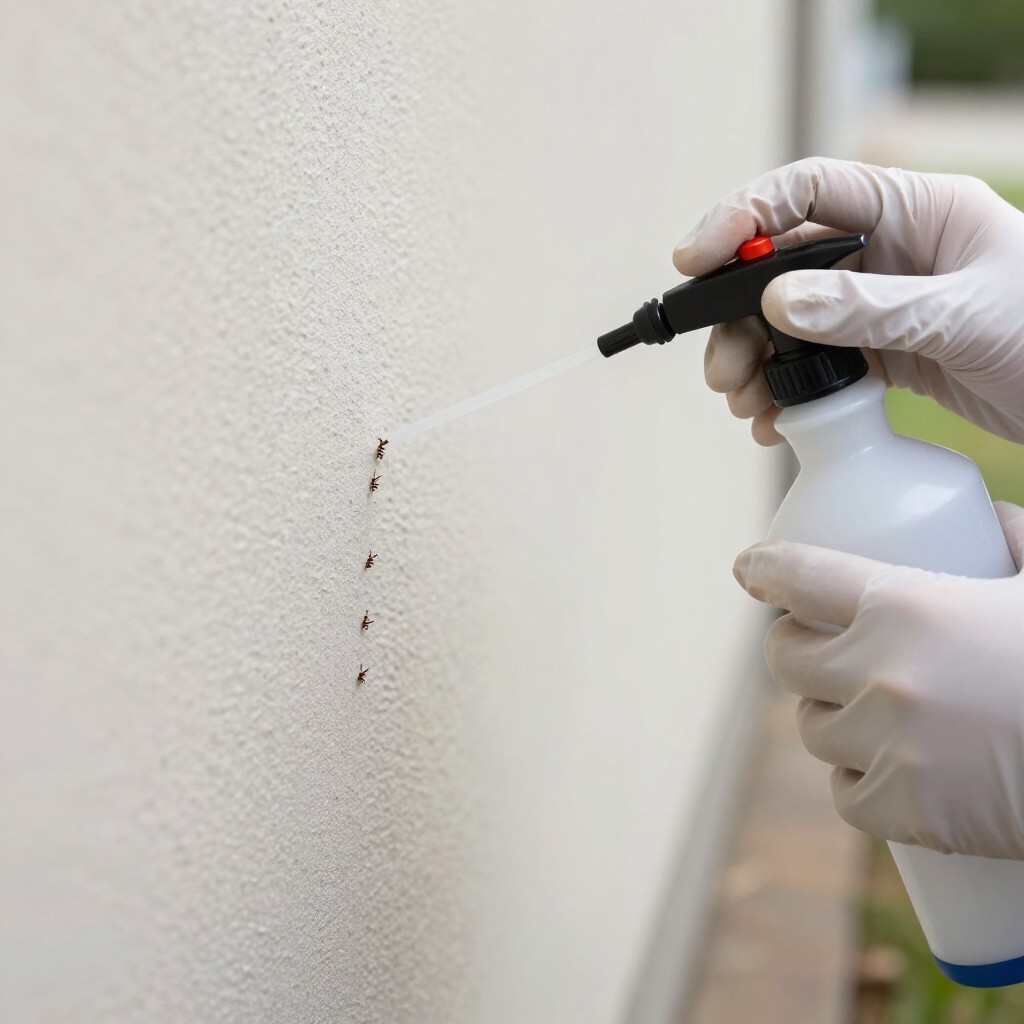
Recurring infestations after initial success indicate you've addressed the visible problem but missed the source. Ants, for instance, follow scent trails from their colony to food sources. Killing the foragers without eliminating the nest means new workers will simply replace them. Professionals trace these pathways to their origin and implement colony-elimination strategies.
Improper pesticide use carries its own risks. Over-application can harm pets, children, and beneficial organisms while potentially creating chemical-resistant pest populations. Professionals understand application rates, proper targeting, and integrated pest management approaches that minimize environmental impact while maximizing effectiveness.
Key Tips for Choosing and Working With a Professional
Once you've decided to bring in expert help, a few considerations ensure you get the best results from the partnership.
Seek licensed, insured professionals with specific experience treating your particular pest issue. General handyman services may offer pest control as an add-on, but dedicated pest management companies invest in ongoing training and certification that translates to more effective treatment.
Ask about their approach before committing. Reputable providers will conduct a thorough inspection, explain their findings, and outline treatment options with clear expectations. Be wary of companies that quote prices over the phone without seeing your property or push single-treatment guarantees for complex infestations.
Prepare your home properly before service visits. This typically includes cleaning food preparation areas, storing pet food and water dishes, removing clutter that provides pest harborage, and ensuring access to key areas like basements, attics, and utility rooms. Follow any specific pre-treatment instructions your provider gives you.
After treatment, maintain communication with your pest control professional. Report any continued activity promptly—most established companies include follow-up visits in their service agreements. Implement their prevention recommendations, which often address sanitation, moisture control, and structural repairs that make your property less attractive to pests in the first place.
Consider establishing an ongoing maintenance program for properties in high-risk areas or those with histories of pest problems. Quarterly or bi-annual inspections catch developing issues before they require intensive intervention, often at lower long-term cost than emergency treatments.
Final Thoughts
Knowing when to call a pest control professional ultimately comes down to recognizing your limits and respecting the complexity of pest behavior. Early intervention by qualified experts protects your property value, your family's health, and your peace of mind. While the instinct to handle problems independently is understandable, pests rarely cooperate with simple solutions. The investment in professional pest management pays dividends through effective elimination, prevention of future problems, and the confidence that your home remains the sanctuary it should be—free from unwanted guests of the six or four-legged variety.