

Termites are one of the most destructive pests a homeowner can face, causing billions of dollars in damage across the United States each year. What makes them especially dangerous is their ability to remain hidden for months or even years while silently eating away at the structure of your home. By the time you notice obvious signs of termites, extensive damage may already be done. Knowing what to look for can help you catch an infestation early and protect your biggest investment. Whether you're concerned about an active problem or simply want to stay vigilant, understanding the warning signs is your first line of defense.
Signs You May Have Termites in Your Home
Termites are masters of concealment, but they do leave behind evidence of their presence if you know where to look. One of the most common indicators is the appearance of mud tubes along your foundation, walls, or crawl spaces. These pencil-width tunnels are built by subterranean termites to maintain moisture as they travel between their colony and their food source. Breaking open a mud tube and finding live, creamy-white insects inside confirms active termites.
Another telltale sign is discarded wings near windowsills, door frames, or light fixtures. When reproductive termites, called swarmers, leave their colony to establish new ones, they shed their wings after landing. Finding piles of these delicate, equal-sized wings—often after a spring rain—suggests a mature colony is nearby, either in or around your home.
Hollow-sounding wood is another red flag. Tap on baseboards, window sills, and wooden beams with the handle of a screwdriver. If the wood sounds papery or hollow, termites may have eaten the interior while leaving a thin veneer of paint or wood intact. You might also notice blistering or darkening on wood surfaces, which can mimic water damage but actually indicates termite activity beneath.
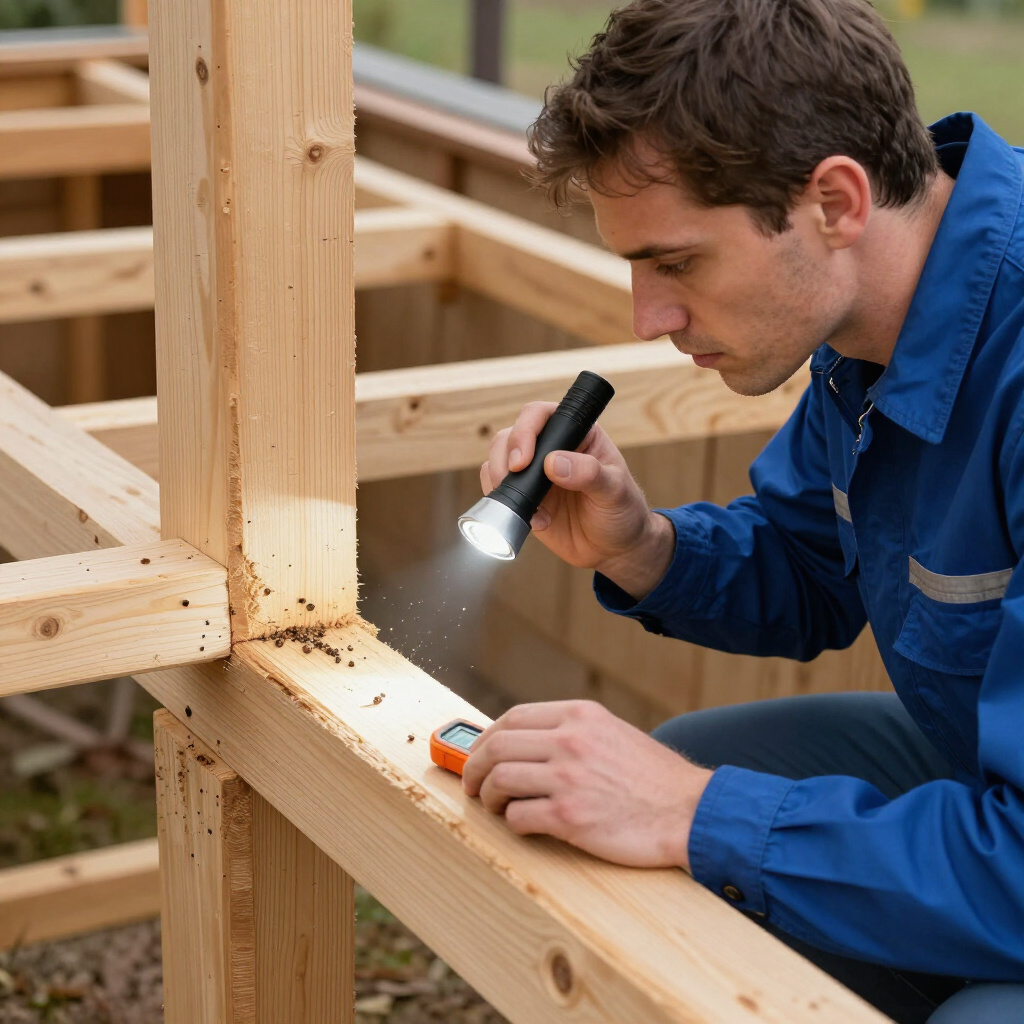
Frass, or termite droppings, is a key indicator of drywood termite infestations. These tiny, pellet-like droppings resemble sawdust or coffee grounds and often accumulate in small piles below infested wood. Unlike subterranean termites, drywood species don't use mud tubes and instead push their waste out of kick holes in the wood they're consuming.
Door and window frames that suddenly become difficult to open or close can also signal termite trouble. As termites consume wood and introduce moisture into the area, the material warps and shifts, causing once-smooth openings to stick or fit improperly.
Where to Look for Termite Activity
Knowing where termites prefer to operate can help you conduct more effective inspections. Subterranean termites need soil contact or consistent moisture, so focus your attention on areas where wood meets the ground. Check crawl spaces, basements, and foundation walls for mud tubes and damaged wood. Exterior wooden structures like decks, fences, and firewood stacks that sit directly on soil are particularly vulnerable.
Inside your home, examine areas with plumbing leaks, poor ventilation, or past water damage. Termites are attracted to moisture-damaged wood and will often target bathrooms, kitchens, and laundry rooms. Attics can harbor drywood termites, especially in warmer climates where these species are prevalent. Look for frass accumulation on insulation or below exposed rafters.
Don't overlook exterior inspection points. Mulch beds that touch your foundation, overgrown shrubs against siding, and wood-to-soil contact anywhere on your property create ideal termite highways. Even stored lumber, cardboard boxes, or paper products in damp garages or sheds can attract foraging termites.
Key Tips for Termite Prevention and Early Detection
Preventing termites is far more cost-effective than treating an established infestation. Start by eliminating wood-to-soil contact around your foundation. Replace wooden posts with concrete alternatives where possible, and ensure wooden siding sits at least six inches above the ground line. Maintain proper drainage by cleaning gutters regularly, extending downspouts away from your home, and grading soil to slope away from the foundation.
Reduce moisture in and around your home by repairing leaky faucets, pipes, and air conditioning units promptly. Use dehumidifiers in damp basements and crawl spaces, and ensure adequate ventilation in these areas. When landscaping, keep mulch layers thin and positioned several inches away from your foundation, and choose rubber or gravel alternatives when practical.
Schedule annual professional inspections, especially if your home has a history of termite activity or if you live in a high-risk region. Professional pest control technicians have the training, tools, and experience to detect early signs of termites that homeowners might miss. They can also recommend preventive treatments such as soil-applied termiticides or baiting systems that create protective barriers around your property.
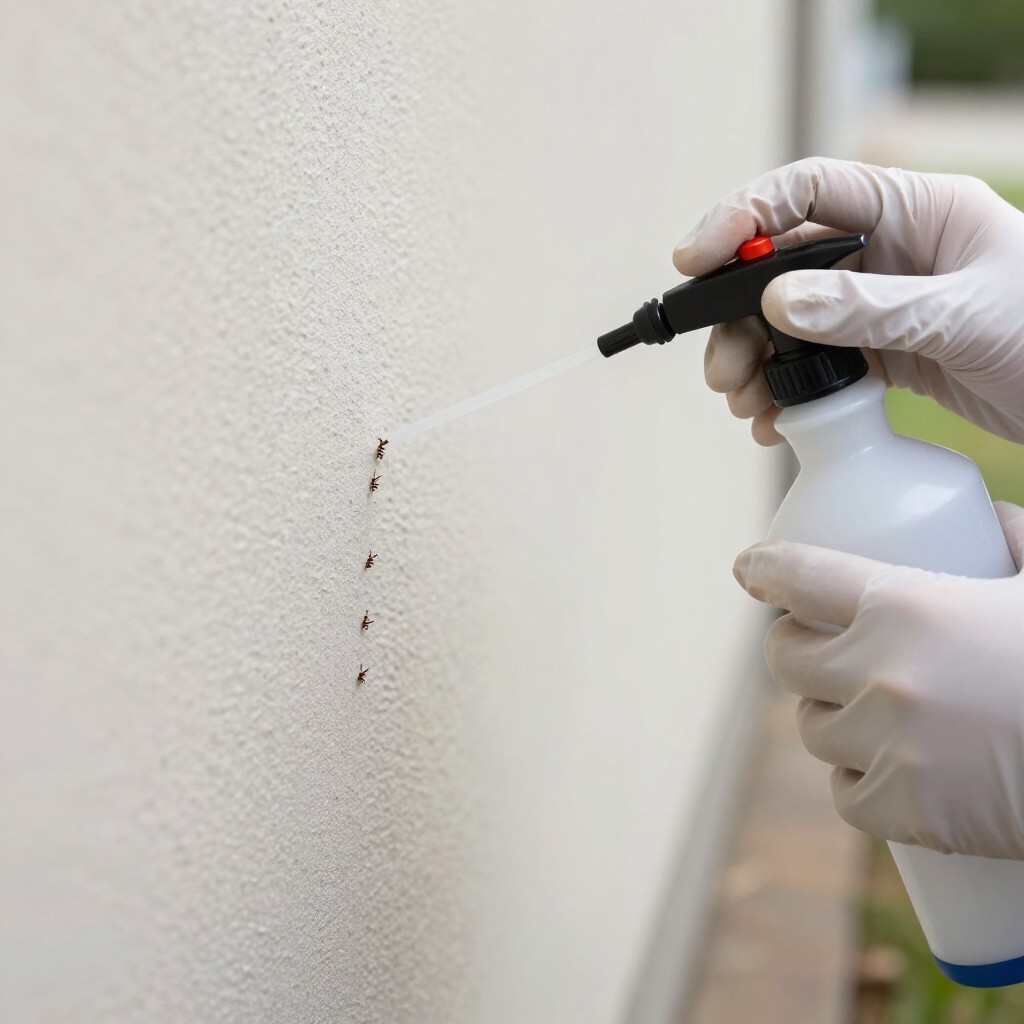
If you discover any signs of termites, resist the urge to handle the problem yourself. Over-the-counter sprays and DIY treatments rarely reach the heart of a colony and may simply drive termites deeper into hiding, making professional treatment more difficult and expensive later. Instead, contact a licensed pest control professional promptly for a thorough evaluation and customized treatment plan.
Final Thoughts
Spotting the signs you may have termites early can mean the difference between minor repairs and catastrophic structural damage. Stay alert for mud tubes, discarded wings, hollow wood, frass, and warped door frames, and make regular inspections part of your home maintenance routine. Combine vigilant observation with smart prevention strategies—moisture control, proper landscaping, and professional monitoring—to keep these destructive pests at bay. Your home's structural integrity depends on it, and a proactive approach today can save you significant stress and expense in the years to come.