
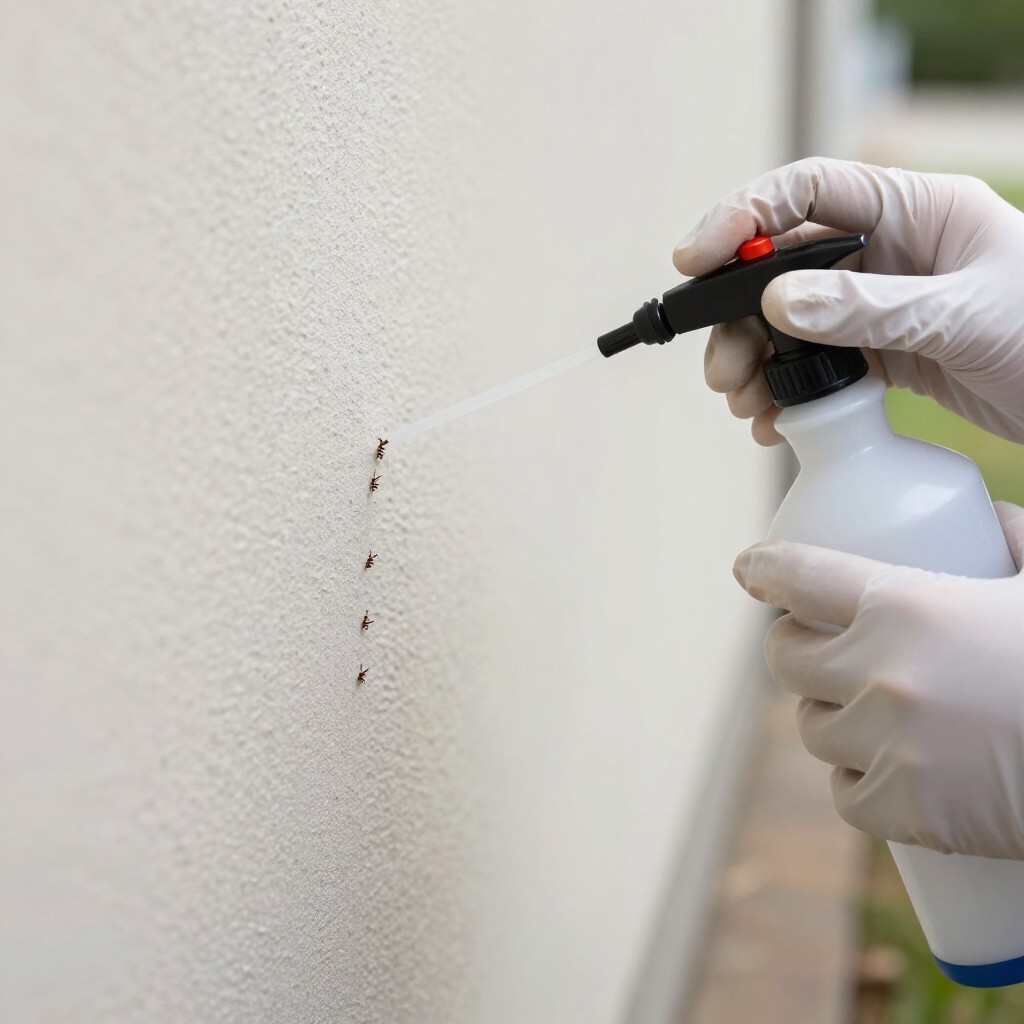


Pests don't take vacations. They shift with the calendar, exploiting every change in temperature, moisture, and daylight to find food, shelter, and breeding grounds inside your home. What works against ants in July won't help against rodents in December. A reactive approach—spraying when you see bugs—leaves you perpetually behind. The homeowners who win the long game are the ones who think seasonally, acting ahead of pest activity rather than chasing it. This seasonal pest control checklist gives you that edge, breaking down exactly what to watch for and address as the year unfolds.
Your Seasonal Pest Control Checklist: Spring Awakening
Spring is when pest populations explode. Warmer soil and longer days trigger colonies that survived winter to expand rapidly. Termite swarmers emerge to establish new colonies, often mistaken for flying ants. Ants begin their march indoors seeking sweets and proteins. Early-season mosquitoes hatch in standing water from March and April rains.
Start your spring with a perimeter inspection. Walk your foundation slowly, looking for mud tubes on exterior walls, damaged wood, and cracks wider than a pencil. Clear gutters and downspouts—clogged drainage creates ideal mosquito breeding pools. Trim shrubs and tree branches back at least 18 inches from your roof and walls; this eliminates natural bridges for carpenter ants and rodents. Turn over planters, bird baths, and children's toys where water collects.
Inside, focus on the kitchen and basement. Store pantry items in sealed glass or hard plastic containers. Check window screens for tears and repair them before you start opening windows. If you spotted cluster flies or stink bugs in your attic last fall, spring is when they attempt to exit—vacuum them rather than crushing, which releases pheromones attracting future invaders.
Summer: Peak Pressure and Peak Prevention
Summer brings the widest variety of active pests. Wasps and hornets build nests in eaves, sheds, and playground equipment. Mosquitoes peak in activity, particularly after summer storms. Fleas and ticks flourish in tall grass and shaded areas. Cockroaches, already present, become more visible as they compete for cooler, moister microclimates inside your home.
Your summer checklist centers on moisture management and barrier maintenance. Run dehumidifiers in basements and crawl spaces, keeping humidity below 60 percent. Fix leaking outdoor spigots and irrigation systems— damp soil draws termites and creates millipede highways into your home. Maintain a two-inch gravel or rock barrier between mulch beds and your foundation; this dry zone discourages crawling insects.
Inspect and refresh physical barriers monthly. Check door sweeps and weatherstripping—these degrade faster than most homeowners realize. Ensure attic vents have intact screens. For outdoor living spaces, consider yellow bug bulbs for porch lights and run ceiling fans on patios; air movement disrupts mosquito landing. If wasp nests appear in high-traffic areas, address them at dusk when activity is lowest, or call a professional for nests larger than a softball.
Fall: The Invasion Window
Fall is arguably the most critical season for preventive pest control. As temperatures drop, rodents, spiders, boxelder bugs, and overwintering insects actively seek harborage inside structures. Mice can squeeze through gaps the diameter of a dime; rats need only a quarter-sized opening. Once inside, they don't leave voluntarily.
Conduct your most thorough exterior inspection in early September, before nighttime temperatures consistently drop below 50 degrees. Seal foundation cracks with mortar or expandable foam rated for outdoor use. Install door sweeps on garage doors and basement entries—frequent entry points often overlooked. Cover vents with quarter-inch hardware cloth, not standard screening, which rodents can chew through.
Inside, declutter storage areas where pests establish undetected. Move firewood piles at least 20 feet from your home and elevate them 18 inches off the ground—this single practice dramatically reduces spider, ant, and termite transfer. Clean gutters thoroughly after leaf drop; clogged gutters freeze, back up, and rot fascia boards, creating entry points and moisture damage that attracts pests all winter.
Winter: Hidden Activity and Structural Defense
Winter pest control seems counterintuitive—outdoor activity visibly slows. But this is when interior infestations consolidate and expand unseen. Rodents active in your walls reproduce through winter. Cockroaches in warm kitchen appliances multiply. Drywood termites, needing no soil contact, chew quietly through structural lumber.
Use winter's slower pace for deep maintenance. Inspect your attic for signs of rodent activity: droppings, gnawed wires, disturbed insulation trails. Check basement sill plates for termite damage or carpenter ant frass—sawdust-like material that signals nesting. Listen for scratching sounds in walls during quiet evening hours, when mice are most active.
This season rewards attention to your home's thermal envelope. Cold drafts don't just raise heating bills—they indicate gaps pests exploit. Caulk around plumbing penetrations under sinks and behind toilets. Inspect where utilities enter your foundation; these are among the most common rodent entry points in older homes. If you maintain a humidifier for comfort, monitor levels carefully—overly humid indoor air supports silverfish, booklice, and stored product pests.
Year-Round Habits That Amplify Every Season
Seasonal checklists work best when supported by consistent practices. Store all food, including pet food, in sealed containers—not original packaging, which rodents chew through effortlessly. Establish a weekly trash routine: use cans with tight lids, keep them away from exterior walls, and rinse recyclables before storage. Manage your landscape with pest awareness: avoid overwatering, which creates fungal gnats and millipede habitat, and select plants that don't aggressively attract aphids and scale insects that ants farm for honeydew.
Documentation helps. Maintain a simple log of what you observe, where, and when. Patterns emerge—annual ant trails along the same baseboard, consistent fall spider clustering in a particular window—that reveal vulnerabilities in your home's defenses. This record also proves invaluable if you ever need professional intervention, providing technicians with precise history rather than vague recollections.
Final Thoughts
Effective pest control isn't about achieving a sterile home—it's about maintaining boundaries that keep your living spaces healthy and your structure protected. The homeowners who struggle most are those who treat pest management as an occasional emergency rather than a seasonal rhythm. By working through this pest control checklist each quarter, you address vulnerabilities before they become infestations, save money on reactive treatments, and gain genuine peace of mind. Start with the season you're in now. The best time to improve your home's defenses was before pests arrived; the second best time is today.