
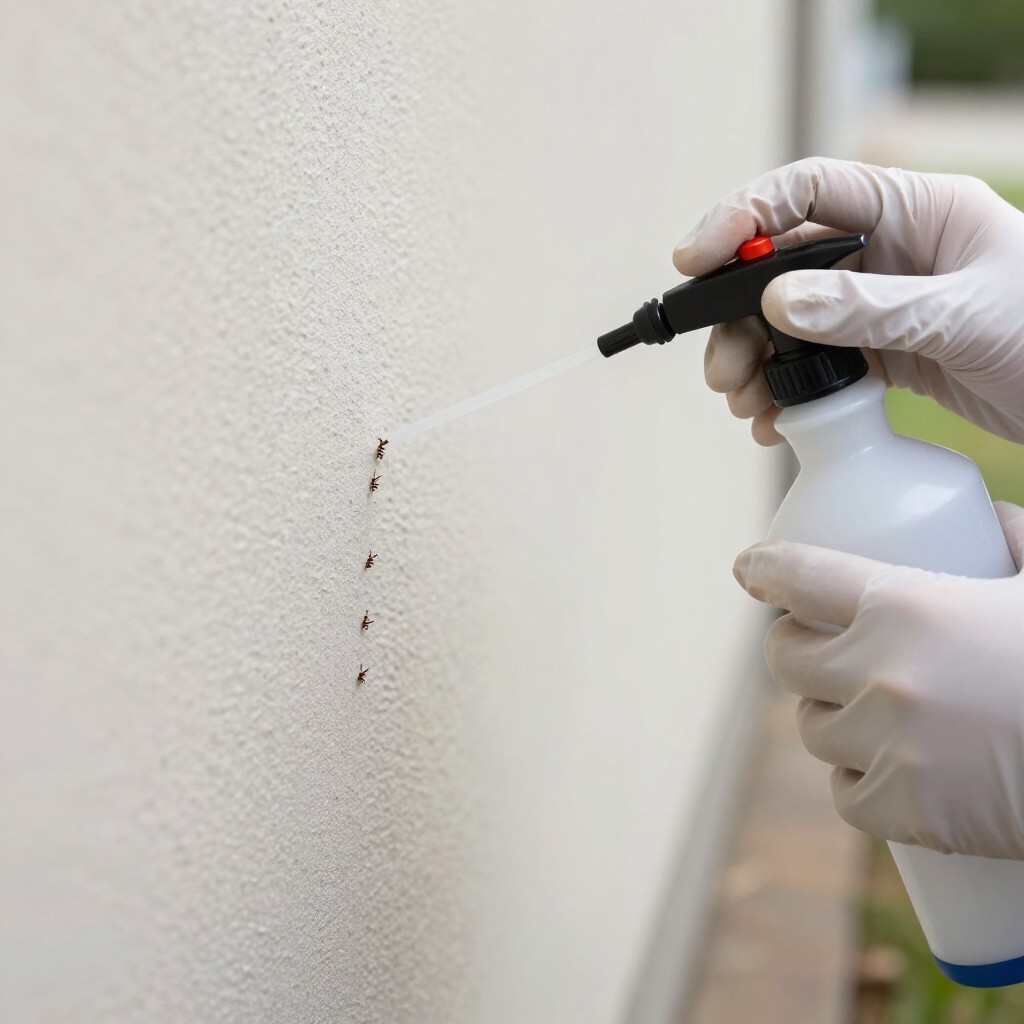

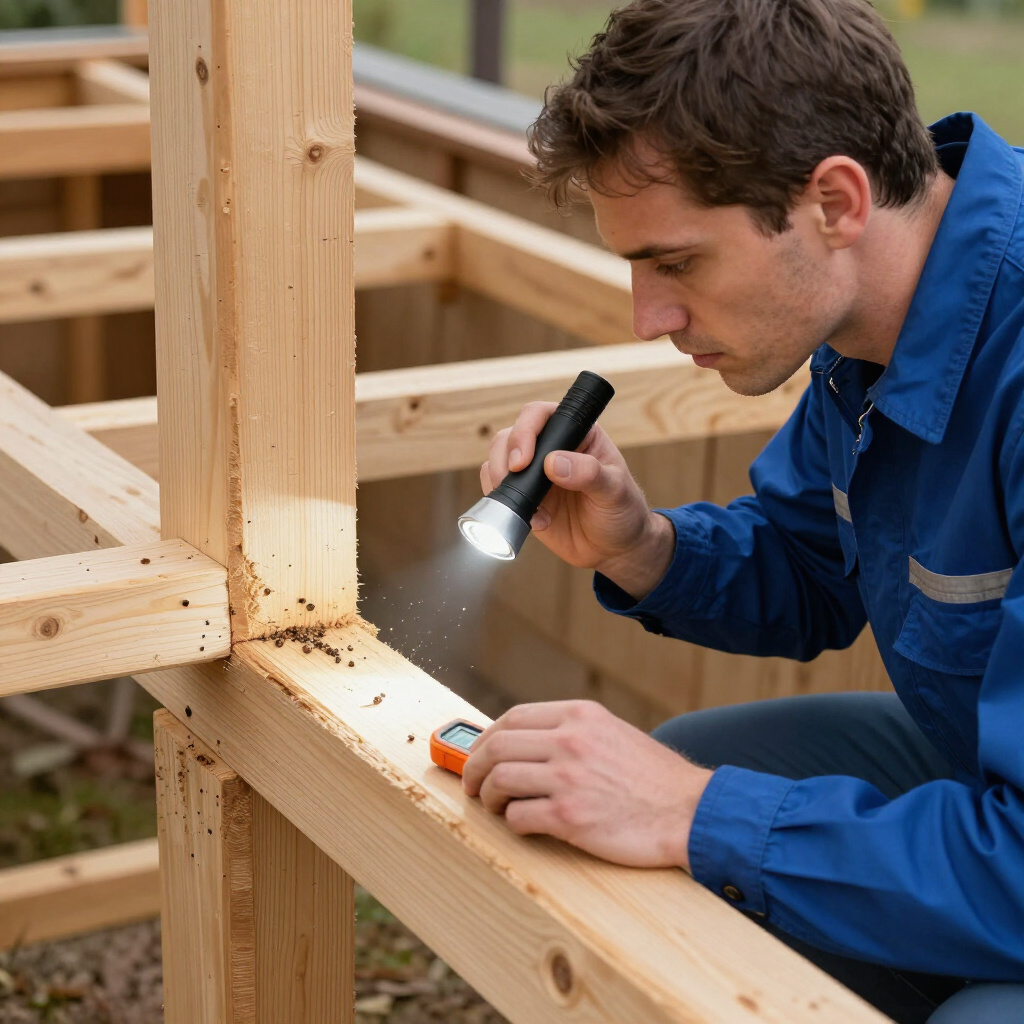
More homeowners than ever are looking for ways to protect their families and properties without relying on harsh chemicals. Whether you're worried about children playing on treated lawns, pets exploring the garden, or simply want a more eco-conscious approach, natural pest control methods offer effective solutions that work with nature rather than against it. The good news? You don't have to sacrifice results to go green. These proven techniques can help you manage unwanted visitors while keeping your home and yard safe for everyone who belongs there.
Natural Pest Control Methods That Actually Work in Your Garden
Your garden is often the first line of defense—and sometimes the first place problems appear. Rather than reaching for synthetic sprays, start with strategies that address why pests showed up in the first place.
Companion planting is one of the oldest and most reliable approaches. Certain plant combinations naturally repel insects or attract their predators. Marigolds emit compounds that deter aphids, nematodes, and even rabbits. Basil planted near tomatoes helps ward off flies and mosquitoes. Nasturtiums act as a trap crop, drawing aphids away from your vegetables and sacrificing themselves for the greater good of your harvest.
Beneficial insects are your allies, not your enemies. Ladybugs, lacewings, and parasitic wasps prey on the very pests damaging your plants. You can attract these helpful predators by planting dill, fennel, yarrow, and cosmos. A small water feature or birdbath also encourages them to stick around. Resist the urge to spray every bug you see—many are working on your behalf.
Neem oil and insecticidal soaps offer targeted treatment when problems arise. Derived from the neem tree, this oil disrupts feeding and reproduction in soft-bodied insects like aphids, whiteflies, and spider mites. Insecticidal soaps work on contact and break down quickly, leaving minimal residue. Both require more frequent application than synthetic alternatives, but they spare beneficial insects and pollinators when used correctly.
Physical barriers deserve more attention than they typically receive. Row covers, copper tape for slugs, and diatomaceous earth around plant bases create obstacles pests struggle to overcome. These methods require some effort to install and maintain, yet they provide lasting protection without any chemical input.
Indoor Natural Pest Control That Keeps Your Home Protected
When pests invade your living spaces, the instinct to grab the strongest spray available is understandable. However, natural pest control methods that actually work indoors focus on exclusion, disruption, and strategic interventions.
Essential oils serve as effective repellents when used properly. Peppermint oil confuses ants and spiders, disrupting their scent trails. Eucalyptus and tea tree oils repel dust mites and certain flying insects. Create a spray by adding fifteen to twenty drops of quality essential oil to a cup of water, plus a teaspoon of witch hazel to help emulsify. Apply to entry points, baseboards, and window sills—reapplying every few days since these oils evaporate relatively quickly.
Food-grade diatomaceous earth works indoors against crawling insects including ants, cockroaches, and silverfish. This powdery substance made from fossilized algae damages the waxy exoskeletons of insects, causing dehydration. Apply thin layers where pests travel—behind appliances, along baseboards, and in cabinet corners. It remains effective as long as it stays dry, making it ideal for pantry protection and dry storage areas. Always choose food-grade products and avoid inhalation during application.
Boric acid baits target ants and cockroaches with minimal risk when placed strategically. Mix a small amount of boric acid with a tempting food source like peanut butter or sugar water. Place in areas inaccessible to children and pets, such as behind the refrigerator or inside wall voids through outlet covers. Insects carry the bait back to colonies, addressing the source rather than just the individuals you see.
For fruit flies, a simple apple cider vinegar trap outperforms most commercial options. Pour an inch of vinegar into a small bowl, add a drop of dish soap to break surface tension, and cover with plastic wrap poked with tiny holes. The fermentation scent attracts flies, while the soap ensures they sink rather than escape.
Key Tips for Making Natural Pest Control Successful
Transitioning to natural methods requires adjusting expectations and techniques. These principles consistently separate successful natural pest management from frustrating failures.
Prevention always outperforms treatment. Seal cracks and gaps around your home's exterior with caulk or weatherstripping. Store food in airtight containers and address moisture issues promptly—many pests need water more than they need food. Keep firewood away from your foundation, trim vegetation back from walls, and maintain clean gutters. These habits eliminate the conditions that attract pests in the first place.
Correct identification matters enormously. What works for carpenter ants fails against sugar ants. One spider species indicates humidity problems; another suggests flying insect prey nearby. Take clear photos and consult extension service resources or reliable pest identification guides before selecting your approach. Targeted natural methods outperform broad applications every time.
Patience and persistence are non-negotiable. Natural methods typically act more slowly than synthetic chemicals. A boric acid bait may take two weeks to eliminate a colony, where a spray kills visible ants in minutes. The tradeoff is worth it: you're addressing root causes rather than treating symptoms repeatedly. Document what you try, note results, and adjust rather than abandoning approaches too quickly.
Combine methods strategically. No single technique handles every situation. The most effective natural pest control programs layer multiple approaches—companion planting plus beneficial insects plus physical barriers in the garden; exclusion plus repellents plus traps indoors. This integrated approach mirrors professional integrated pest management, simply with natural tool selections.
Know when to call professionals. Some infestations—termites, bed bugs, extensive rodent problems—exceed what natural methods can reasonably address. Seeking expert help early prevents these situations from worsening. Many pest control companies now offer reduced-chemical or targeted treatment options that align with your preferences while delivering necessary effectiveness.
Final Thoughts
Natural pest control methods that actually work are not myths or marketing claims—they're well-documented approaches backed by decades of practical application and growing scientific validation. The key lies in understanding how they function, applying them correctly, and maintaining realistic expectations about timing and effort involved.
Start with one or two techniques most relevant to your current situation. Build your knowledge and confidence gradually. Over time, you'll develop an intuitive sense of which natural solutions fit which challenges, creating a healthier home environment that protects both your family and the broader ecosystem you inhabit.
The shift toward natural pest management represents more than a trend. It reflects a deeper understanding that effective control doesn't require maximum chemical force—that working thoughtfully with biological systems often yields better long-term results than overpowering them. Your patience in adopting these methods pays dividends in safety, sustainability, and surprisingly effective protection.