
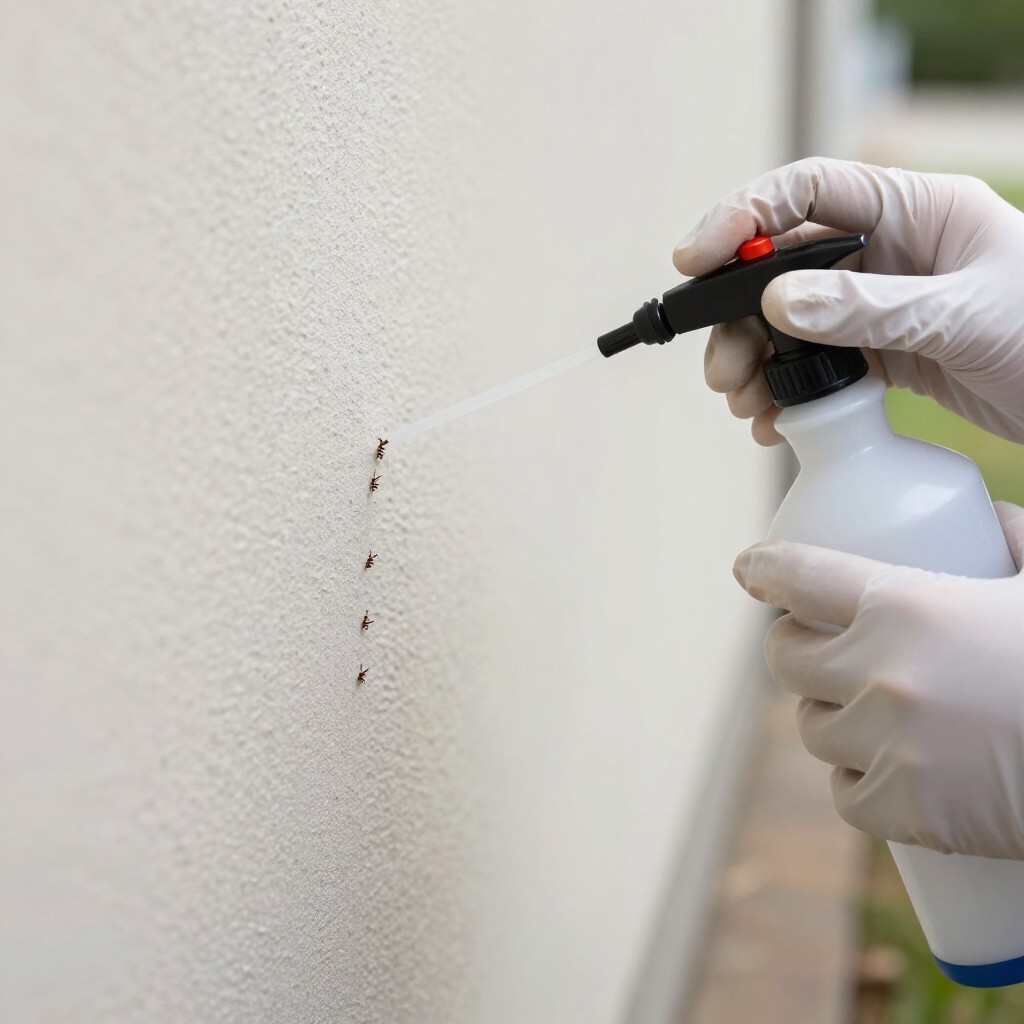


Few things disrupt the comfort of home quite like discovering unwanted guests. Whether it's the skitter of tiny feet in the pantry or mysterious bites that appear overnight, household pests have a way of making spaces feel suddenly foreign. The good news? Most infestations are entirely preventable with the right knowledge and consistent habits. Let's walk through the most common invaders you're likely to encounter and the practical, proven strategies that keep them outside where they belong.
Most Common Household Pests and How to Prevent Them
Every region has its particular pest pressures, but certain troublesome species show up reliably across climates and home styles. Understanding what attracts each one is your first line of defense.
Ants top nearly every pest control professional's list for frequency of calls. These persistent foragers follow invisible scent trails to any available food source, and once a scout finds your kitchen, the colony soon follows. Sugar ants, carpenter ants, and odorous house ants each have slightly different preferences, but all share that relentless drive to exploit accessible resources.
Cockroaches represent perhaps the most unsettling household presence. Nocturnal and remarkably resilient, they thrive in warm, humid environments with abundant hiding spots. Kitchens and bathrooms provide ideal conditions, and these pests can survive surprisingly long periods without food, making elimination challenging once established.
Mice and rats seek shelter, nesting materials, and steady food supplies as temperatures drop. Their ability to squeeze through astonishingly small gaps—mice need openings just a quarter-inch wide—makes exclusion work particularly important. Beyond the obvious unpleasantness, rodents cause genuine damage through gnawing and create fire hazards by chewing electrical wiring.
Spiders typically wander indoors following their own prey rather than seeking human company. While most common household varieties pose no medical threat, their webs signal to homeowners that pest populations of other kinds may also be present.
Termites and carpenter ants merit special attention for their destructive potential. These wood-destroying organisms work quietly, often for years, before visible damage appears. By the time you notice hollow-sounding timber or discarded wings, substantial structural impact may already exist.
Bed bugs have resurged dramatically in recent decades, hitchhiking on luggage, furniture, and clothing. Their stealthy feeding habits and growing pesticide resistance make professional intervention frequently necessary once established.
Pantry pests—including Indian meal moths, weevils, and various beetles—infest stored dry goods, often arriving already inside packaging from warehouses or stores. They transform organized pantries into sources of contamination and waste.
Prevention Strategies That Actually Work
Effective pest prevention operates on two principles: removing what attracts pests and blocking how they enter. Neither alone suffices; together, they create genuinely protective conditions.
Seal entry points methodically. Walk your home's perimeter with fresh eyes. Caulk gaps around utility penetrations, repair torn window screens, install door sweeps, and examine foundation cracks. Pay particular attention to areas where different building materials meet—these junctions commonly develop separations over time. For rodent prevention, stuff larger gaps with steel wool before sealing, as determined gnawers can work through softer materials.
Manage moisture deliberately. Many pests require humid conditions or accessible water sources. Run exhaust fans during and after bathing and cooking. Address leaky faucets promptly, even minor drips. Ensure gutters direct water well away from your foundation, and consider dehumidifiers for chronically damp basements or crawl spaces. Termites especially target moisture-compromised wood.
Store food properly. Transfer pantry staples to airtight glass, metal, or heavy plastic containers rather than leaving them in original packaging. This single habit protects against pantry pests, eliminates ant attractants, and removes rodent food sources. Don't overlook pet food, which should stay in sealed containers and not remain in bowls overnight.
Maintain rigorous cleanliness. Daily attention matters more than occasional deep cleaning. Wipe kitchen counters each evening, sweep floors regularly, and don't let dishes accumulate in sinks. Take garbage out frequently and use cans with tight-fitting lids. Remove clutter that provides hiding spots—cardboard boxes, newspaper stacks, and undisturbed storage areas particularly appeal to multiple pest species.
Landscape with awareness. Trim tree branches and shrubs so they don't touch your home's exterior, eliminating natural bridges for ants and rodents. Keep firewood stacked well away from walls and elevated off the ground. Mulch provides excellent harborage; consider stone or rubber alternatives immediately adjacent to foundations, or maintain a gap between organic mulch and your siding.
Inspect carefully after travel. Bed bug prevention requires vigilance. Examine hotel room mattresses and headboards before settling in. Upon returning home, launder all clothing on hot cycles and inspect luggage before storing. Never place suitcases on beds during your stay.
Key Tips for Long-Term Success
Prevention falters when homeowners grow complacent after initial efforts. Sustain your protective measures with these ongoing practices.
Schedule seasonal perimeter inspections of your home's exterior. Weather, settling, and normal wear continuously create new vulnerabilities. What was sealed last autumn may need attention this spring.
Learn your local pest calendar. Ant swarming typically follows the first warm rains. Rodent pressures intensify as autumn temperatures drop. Termite swarms emerge in spring. Timing your heightened vigilance to these predictable patterns prevents being caught unprepared.
Monitor with intention. Sticky traps in basements, garages, and pantry corners reveal pest activity before populations explode. Their presence alone isn't cause for alarm—the early warning allows timely, simpler intervention.
Know when professional expertise becomes necessary. DIY prevention handles most situations admirably, but established infestations, wood-destroying organisms, or bed bugs typically require specialized knowledge, equipment, and treatment protocols. Delaying professional involvement often allows problems to worsen and ultimately cost more to resolve.
Final Thoughts
Most Common Household Pests and How to Prevent Them comes down to consistent, informed habits rather than dramatic measures. The homes that stay pest-free aren't necessarily newer or more expensive—they're simply maintained with awareness of what invites problems and what keeps boundaries secure. Start with the fundamentals: seal, dry, clean, and store properly. Build these into your regular household rhythms, and you'll spend far less energy reacting to invasions and far more simply enjoying the comfort of a genuinely protected home.