
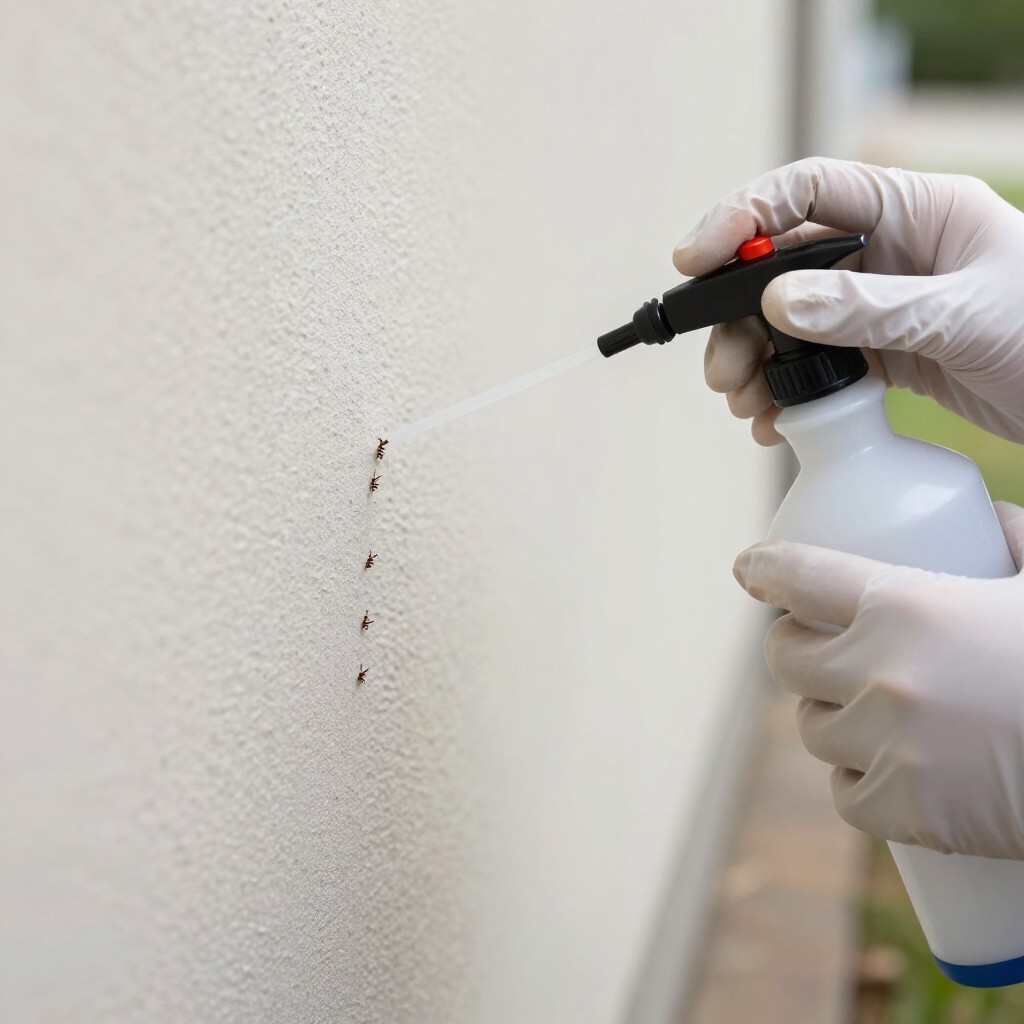


Few things are more frustrating than watching a steady stream of ants march across your kitchen counter like they own the place. One day your home is peaceful; the next, you've become an unwilling highway for thousands of tiny invaders searching for crumbs, water, and shelter. The good news? With the right approach, you can make your home far less appealing to ants and stop problems before they start.
How to Prevent Ants From Invading Your Home Starts With Understanding Their Behavior
Ants are relentless foragers, but they're not random. Every scout that crosses your threshold is following chemical trails laid down by colony members who found something worth returning to. Worker ants typically venture out from nests located in soil, wall voids, rotting wood, or mulch beds near your foundation. Their missions are simple: find food, bring it back, repeat.
What attracts them most? Sugary residues, protein sources, grease films, and standing water. Even seemingly invisible traces—a smear of honey on a jar lid, the oily residue from last night's takeout, a pet food bowl left out overnight—can signal a feast to an ant's extraordinarily sensitive antennae.
Understanding this helps explain why prevention works better than reaction. Kill the scouts you see, and the colony simply sends more. Eliminate what they're seeking, and the trails dry up entirely.
Seal Entry Points to Block Access
Ants can squeeze through remarkably small gaps—cracks as narrow as a credit card's edge are plenty wide for most species. A thorough perimeter inspection and sealing effort creates the physical barrier your home needs.
Start with a slow walk around your home's exterior during daylight. Pay special attention to utility penetrations where pipes, wires, and cables enter walls. These are among the most common entry highways. Seal gaps around them with silicone caulk or expanding foam designed for pest exclusion.
Check window frames and door sweeps next. Weatherstripping wears down, creating inviting gaps at thresholds. Replace damaged strips and install door sweeps if gaps exceed one-eighth inch. Examine foundation cracks, mortar separations, and spaces where siding meets brick or foundation— these all warrant sealing.
Don't overlook interior pathways either. Ants traveling through wall voids often emerge at electrical outlets, baseboard gaps, or around plumbing fixtures. While you can't seal every interior route, addressing obvious ones limits their movement and makes colonies easier to spot before they establish.
Key Tips for Eliminating What Attracts Them
Prevention collapses without diligent sanitation. The most secure home structurally will still see ant activity if food and water remain available inside.
Store all pantry items in airtight containers—glass, metal, or thick plastic with secure lids. Cardboard and thin plastic bags offer no real barrier; ants chew through them readily. This includes pet food, birdseed, and baking supplies that sit unused for months.
Clean kitchen surfaces daily with attention to hidden zones: under toaster ovens, behind coffee makers, along stove edges where grease accumulates. Wipe down jar exteriors before returning them to cabinets. Sweep and mop floors regularly, targeting corners and beneath appliances where debris collects.
Manage moisture with equal vigilance. Repair dripping faucets, sweating pipes, and condensation issues promptly. Empty plant saucers, pet water bowls overnight, and ensure bathrooms dry properly with adequate ventilation. Ants need water consistently—deprive them of it, and survival becomes difficult.
Outdoors, maintain a clean buffer zone. Keep firewood stacked away from the house, elevate it off soil, and rotate stock to prevent decay that attracts nesting. Trim vegetation back from walls and rooflines to eliminate ant bridges. Clean gutters to prevent moisture damage to fascia and soffits where carpenter ants particularly favor nesting.
Consider targeted outdoor treatments around the foundation perimeter. Granular baits or appropriately labeled barrier applications can intercept foragers before they reach your walls. Always follow product labels precisely, or consult a professional for application guidance.
When to Call for Professional Help
Despite best efforts, some ant situations exceed homeowner control. Multiple concurrent trails, recurring invasions after thorough prevention efforts, or any signs of wood-damaged structural members warrant professional assessment. Certain species—carpenter ants, pharaoh ants, and odorous house ants among them—present specific challenges requiring specialized knowledge and treatment approaches.
Professionals can identify species correctly, locate hidden nests, and deploy targeted strategies that address colonies rather than symptoms. This proves especially valuable when dealing with multi-queen colonies or species that bud and scatter when disturbed by over-the-counter sprays.
Final Thoughts
Knowing how to prevent ants from invading your home comes down to three interconnected principles: block their entry, remove their incentives, and remain consistently vigilant. No single action guarantees freedom from ants, but the combined effect of sealing, sanitation, and moisture management creates an environment where colonies look elsewhere for easier opportunities.
Prevention demands more upfront effort than grabbing a spray can at first sight of scouts, but it pays dividends in reduced stress, protected food supplies, and avoidance of larger infestations that prove genuinely difficult to eliminate. Start with a weekend of thorough sealing and deep cleaning, then build maintenance habits that keep your home unattractive to these persistent foragers. The ants may never stop searching—but with proper preparation, they'll keep moving past your door.