

There's something uniquely unsettling about walking into a room and spotting a spider dangling from the ceiling or scurrying across the floor. Even if you know most household spiders are harmless, sharing your living space with eight-legged roommates isn't exactly cozy. The good news? Keeping spiders out of your house doesn't require harsh chemicals or constant vigilance—just a smart, layered approach that makes your home far less appealing to them.
How to Keep Spiders Out of Your House by Eliminating Their Food Source
Spiders don't wander indoors for shelter alone—they follow their prey. If your home has a steady population of flies, moths, ants, or other small insects, spiders will treat it like an all-you-can-eat buffet. The most effective long-term strategy starts with pest control.
Keep kitchen counters clean and free of crumbs. Store dry goods in airtight containers. Take out garbage regularly and use bins with tight-fitting lids. Fix leaky faucets and pipes promptly, since moisture attracts both insects and the spiders that hunt them. Consider replacing standard outdoor lighting with yellow or warm LED bulbs, which draw far fewer flying insects to your windows and doors at night.
If you've noticed clusters of webs in certain areas, that's a spider telling you it's found reliable hunting grounds. Removing the webs with a vacuum or duster helps, but addressing the underlying insect activity is what truly sends spiders packing.
Seal Every Entry Point Spiders Exploit
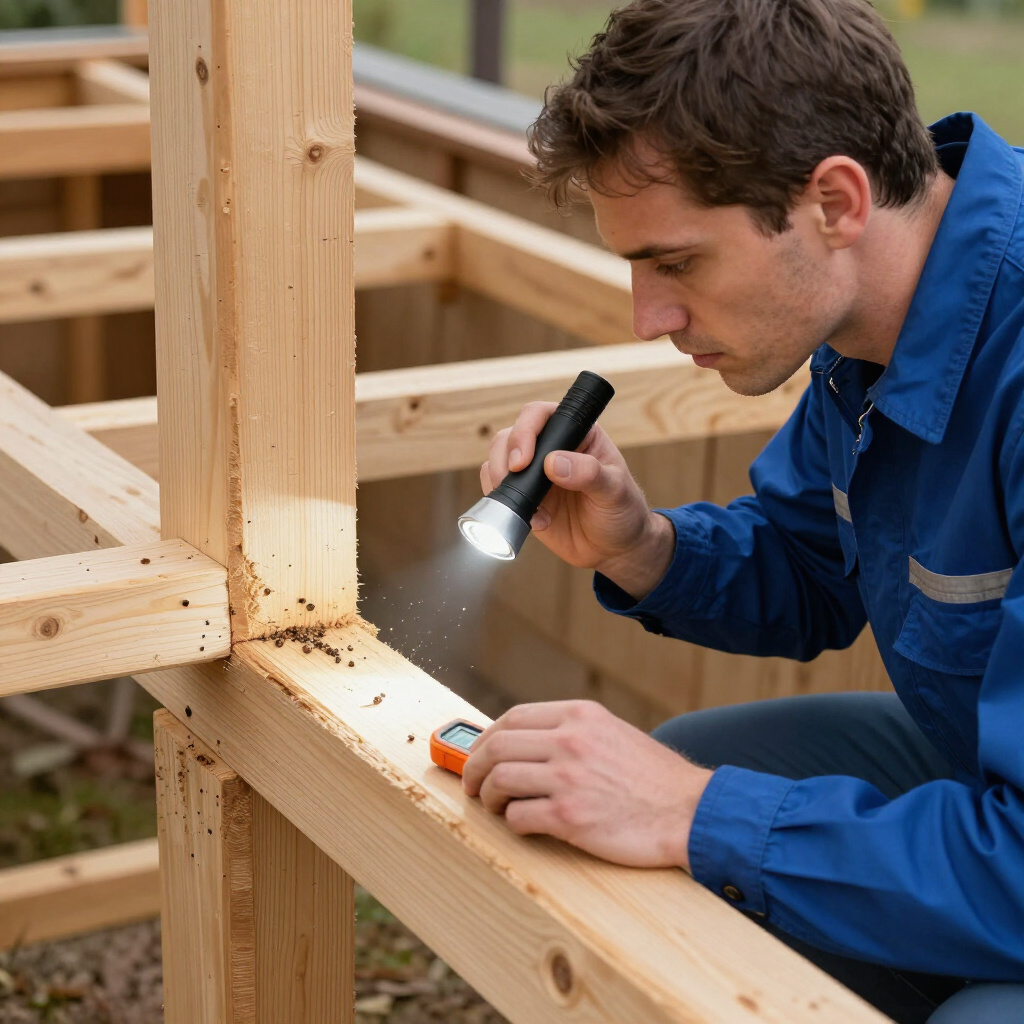
Spiders are master contortionists. A gap barely wider than a credit card is an open invitation. Walk the perimeter of your home with a critical eye, paying special attention to where utilities enter, window frames meet siding, and foundation cracks have developed.
Apply quality silicone caulk around windows, doors, and pipe penetrations. Replace worn weatherstripping and door sweeps—these degrade faster than most homeowners realize. Install fine mesh screens over vents and chimney openings. Don't overlook the garage; it's often a spider highway into the main living areas.
Indoors, focus on the basement and attic. These spaces tend to be quieter, darker, and more humid—ideal spider territory. Seal gaps around baseboards, electrical outlets, and where ductwork passes through walls. The fewer access points available, the more successful your efforts to keep spiders out of your house will be.
Modify Your Home Environment
Spiders prefer undisturbed, cluttered spaces where they can build webs without interruption. The more stuff piled in corners, the more real estate you're offering them. Make a habit of decluttering storage areas, especially cardboard boxes (which spiders love to hide between). Switch to plastic bins with sealed lids for seasonal items.
Humidity control matters significantly. Run dehumidifiers in basements and crawl spaces, aiming for relative humidity below fifty percent. Ensure bathrooms and laundry rooms have adequate ventilation. Outside, maintain a tidy perimeter: trim shrubs and tree branches away from the house, keep firewood stacked well away from exterior walls, and clear leaf litter and debris regularly.
Inside, vacuum thoroughly and frequently—not just floors but ceilings, corners, and behind furniture. This removes both spiders and their egg sacs before populations establish. Pay special attention to seldom-used rooms and spaces behind large appliances.
Key Tips for Natural and Targeted Deterrence
Many homeowners prefer to avoid synthetic pesticides, and fortunately, several effective alternatives exist. Essential oils with strong scents—peppermint, tea tree, eucalyptus, and lavender—can discourage spiders when diluted with water and sprayed along baseboards, entry points, and window sills. Reapplication every week or two maintains the effect.
Diatomaceous earth, a fine powder made from fossilized algae, works mechanically rather than chemically. Spread a thin line in areas where spiders travel; it damages their exoskeletons and leads to dehydration. Choose food-grade versions if you have pets or children.
For immediate concerns, sticky traps placed along walls and in corners capture wandering spiders without toxins. They're particularly useful in basements and garages for monitoring activity levels. If you do spot a spider and prefer relocation to elimination, the classic glass-and-cardboard method remains effective—just release it well away from your home.
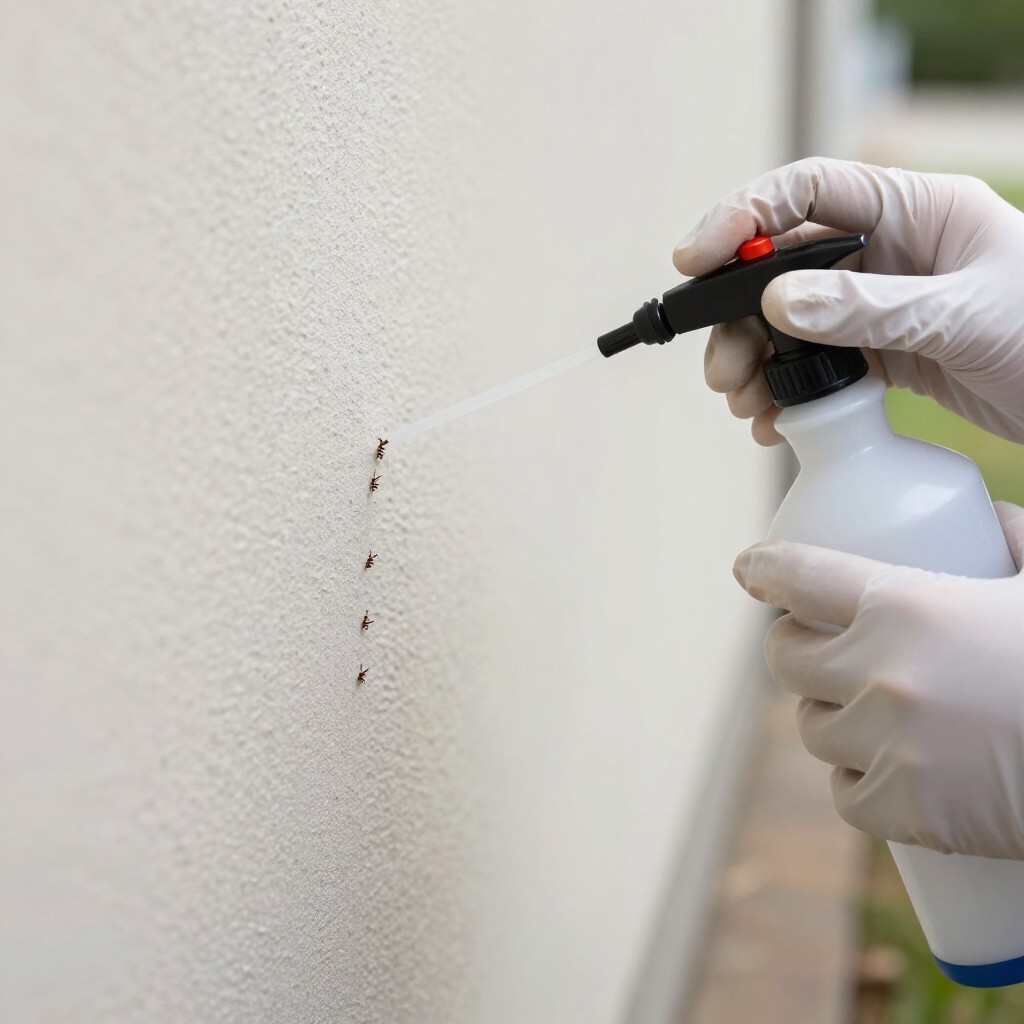
When natural methods aren't sufficient, targeted application of residual insecticides along exterior foundations and known entry points can form a protective barrier. For persistent or overwhelming infestations, professional pest control services have access to more specialized treatments and can identify hidden contributing factors you might miss.
Final Thoughts
Keeping spiders out of your house is entirely achievable with consistent effort across multiple fronts. Eliminate their food sources by controlling other insects. Seal physical entry points meticulously. Reduce clutter, manage humidity, and maintain both interior and exterior spaces. Supplement with natural deterrents or professional treatments as needed.
Remember, the occasional spider finding its way inside is normal—complete elimination is neither realistic nor ecologically desirable, since spiders do control actual pest populations. The goal is reduction to comfortable levels, preventing the establishment of breeding populations, and reclaiming your peace of mind. Start with the strategies that fit your situation best, and build from there. Your home should feel like yours alone—not shared with uninvited guests.