
When ants march across your kitchen counter or you hear scratching in the walls at midnight, the first question that pops into your head is usually the same: Should I tackle this myself or call in the pros? Both DIY pest control and hiring a professional have their place, but making the wrong choice can cost you time, money, and sometimes your sanity. Let's walk through what you actually need to know to decide wisely.
When DIY Pest Control Makes Sense
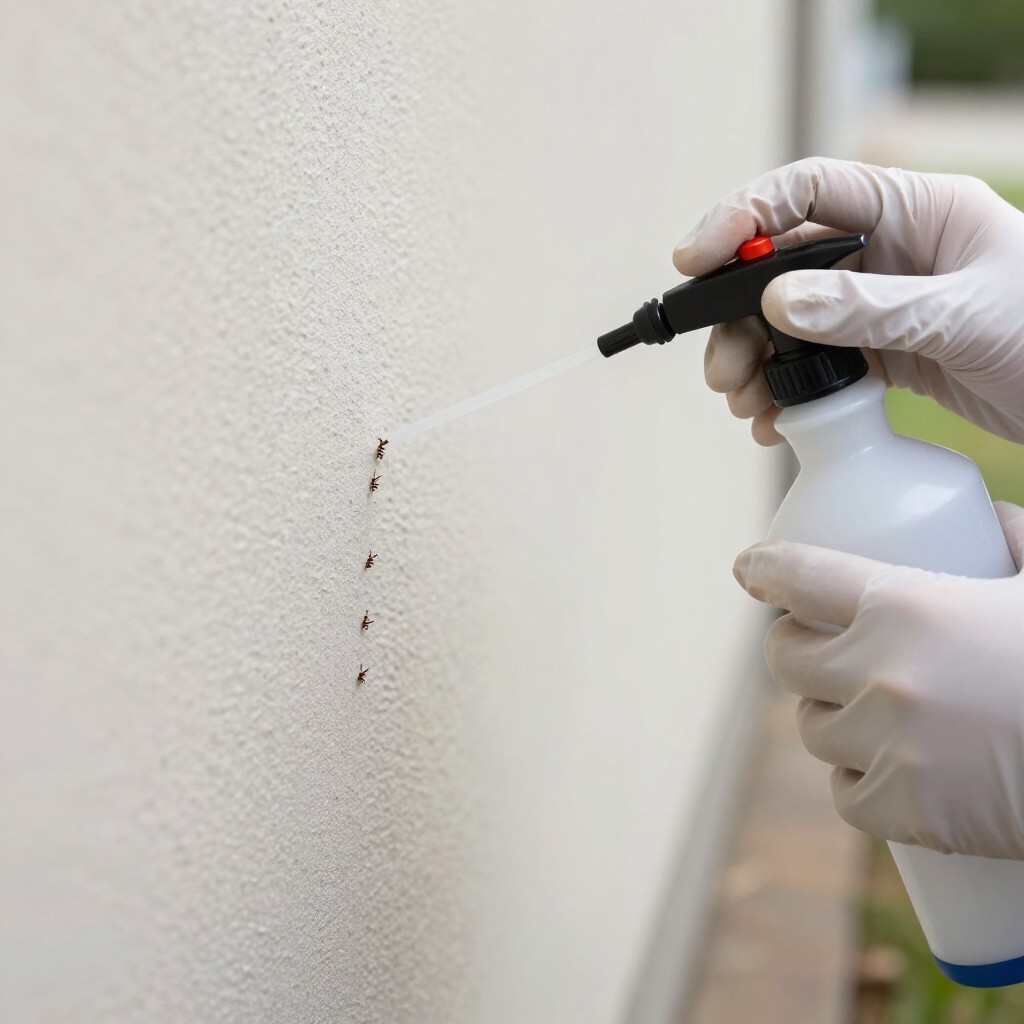
DIY pest control works beautifully for minor, surface-level problems. A few sugar ants trailing to a forgotten crumb? A single wasp nest under your eaves that's easily reachable? These scenarios are often perfect for the determined homeowner. Store-bought baits, sprays, and traps have come a long way, and many are genuinely effective for small infestations.
The real appeal here is immediacy and cost. You can drive to the hardware store today, spend $15-40, and potentially solve the issue by tonight. There's no scheduling, no waiting, and no stranger in your home. For prevention, DIY shines even brighter. Sealing cracks, keeping food stored properly, maintaining your yard, and fixing moisture issues are all homeowner-friendly tasks that stop pests before they become problems.
However, DIY pest control has a hard ceiling. The products available to consumers are deliberately less potent than professional-grade solutions. They're also designed for broad use, not your specific situation. Misidentify the ant species, for example, and you'll waste weeks chasing pharaoh ants with bait formulated for carpenter ants — two completely different problems requiring different approaches.
Safety limitations matter too. Many homeowners underestimate risks: applying pesticides near food prep areas, overusing chemicals in poorly ventilated spaces, or accidentally exposing pets and children. The label is legally binding for a reason, but reading comprehension doesn't equal proper application technique.
When Hiring a Professional Becomes Essential
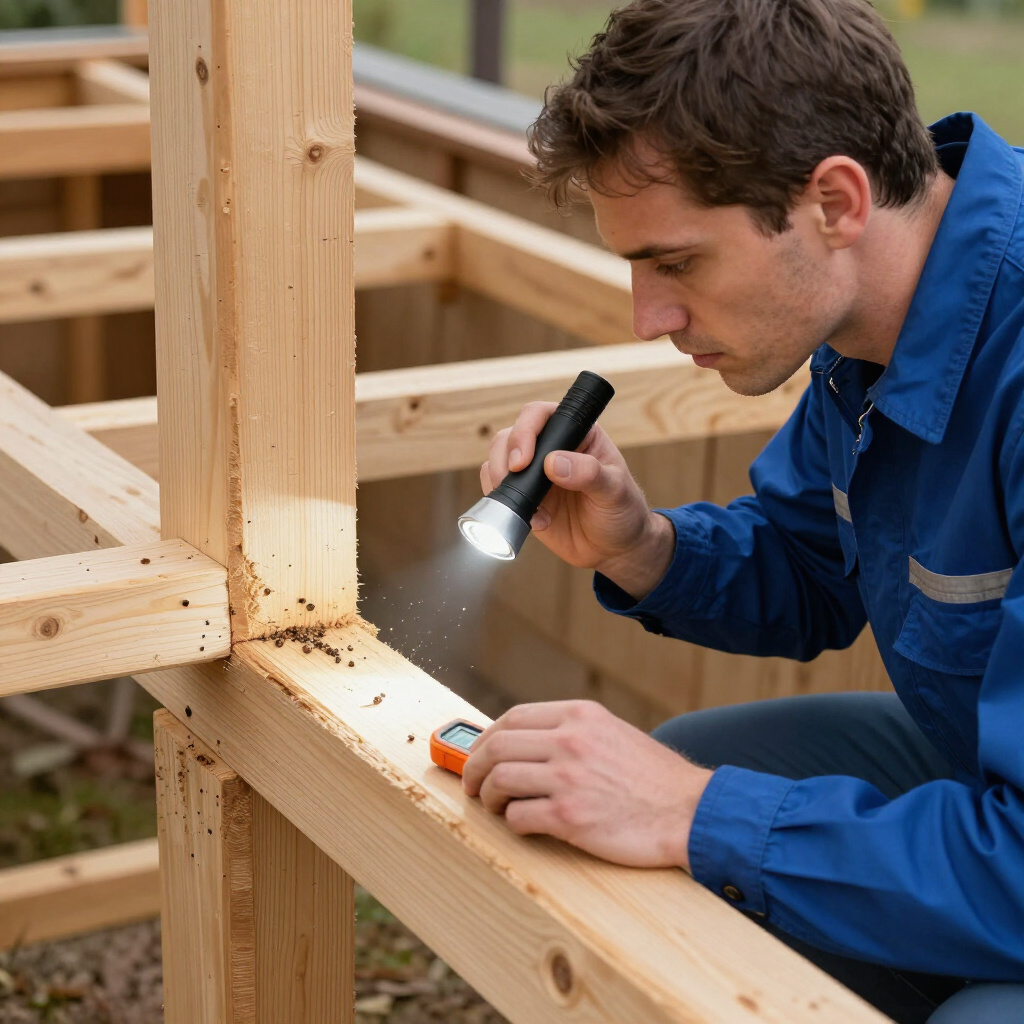
Professional pest control becomes the clear choice when infestations grow beyond surface level. Termites silently eating your home's structure, bed bugs hiding in mattress seams and electrical outlets, or rodents nesting inside wall voids — these situations demand expertise you cannot YouTube your way through.
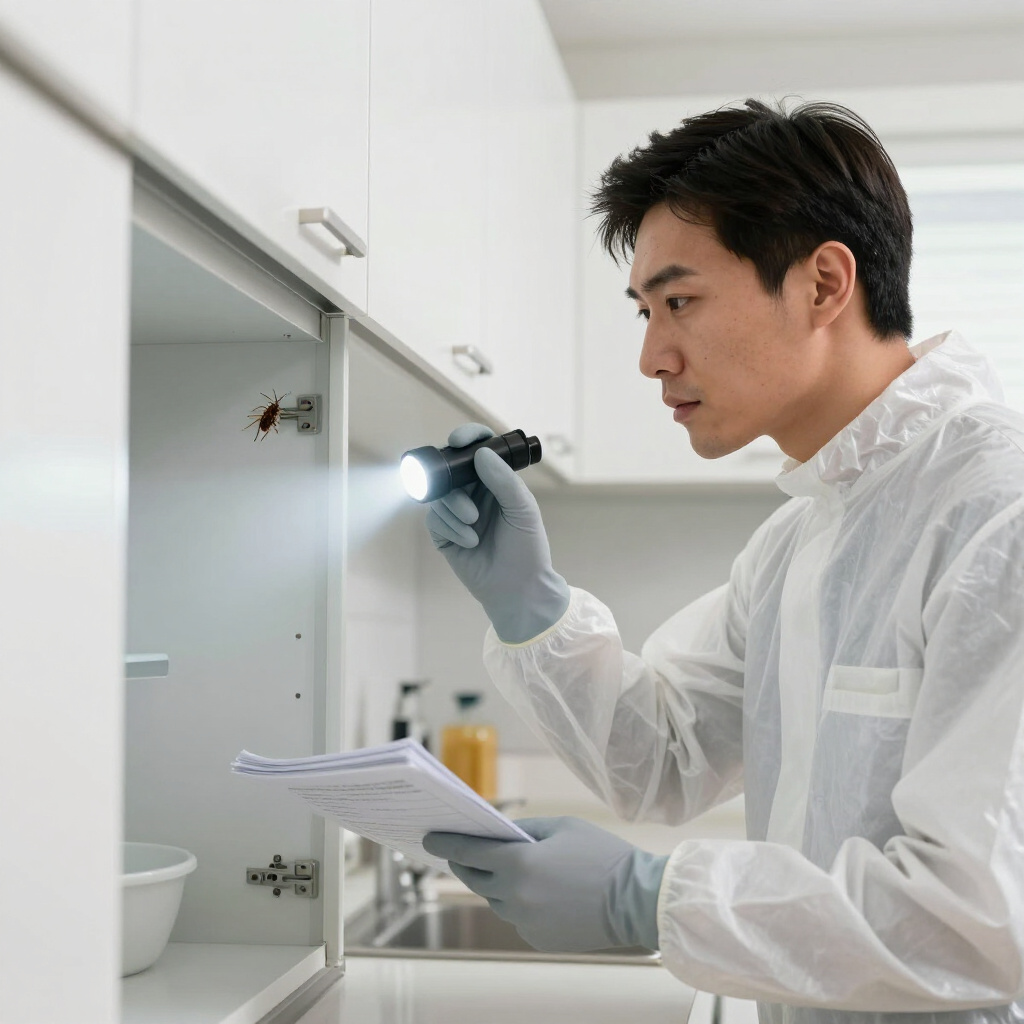
Professionals bring diagnostic skills that take years to develop. They identify pest species accurately, locate hidden harborage areas, understand behavioral patterns, and spot conditions you might miss entirely. That moisture stain on your ceiling? A pro recognizes it as the condensation point attracting carpenter ants. The "harmless" spider in your basement? They know it's a recluse cousin that signals a larger issue.
The treatment arsenal differs dramatically too. Licensed technicians access restricted-use pesticides, specialized equipment like thermal foggers and injection systems, and integrated pest management strategies that combine chemical, mechanical, and biological controls. More importantly, they know when not to use chemicals — a judgment that protects your family and the environment.
Guarantees separate professional work from DIY attempts. Reputable companies return if pests persist, adjusting strategies without additional charges. That accountability changes the math significantly when you're three failed DIY attempts and $200 deeper into a problem that's only growing.
Certain situations are practically automatic calls to professionals: any stinging insect nest in a wall void or high location, bed bugs in any quantity, termite activity, extensive rodent issues with potential wiring damage, and recurring infestations that suggest an underlying structural or environmental cause. Health vulnerabilities in your household — asthma, chemical sensitivities, pregnancy, young children — also tilt toward professional handling with proper safety protocols.
Key Tips for Making the Right Choice
Start with honest assessment. How extensive is the problem? One or two sightings versus regular, numerous encounters. Where are pests appearing? Confined to one room or spreading throughout. How long has it persisted? New this week or an ongoing battle for months. Your answers reveal whether DIY has a realistic shot.
If choosing DIY, do it thoroughly. Identify the pest correctly using extension service resources or reputable identification apps, not guesswork. Read every word of product labels — the "directions for use" section is legally an agreement you're signing with your purchase. Apply precisely where and how directed, never exceeding recommended amounts thinking more is better. Monitor results for two weeks; lack of improvement means escalation, not repetition.
If hiring professional pest control, vet carefully. Verify state licensing and insurance. Ask about integrated pest management approaches versus chemical-only solutions. Request specifics on what they'll do, what products they'll use, and what preparation you need to complete. Get multiple quotes for significant work, but weigh value over bottom-line price — the cheapest bid often reflects corner-cutting that costs more long-term.
Perhaps most valuably, consider hybrid approaches. Handle prevention and minor issues yourself while establishing a relationship with a trusted professional for consultation and major problems. Many companies offer inspection services that help you understand your home's specific risk factors without immediate treatment pressure.
Final Thoughts
DIY pest control empowers homeowners with minor, straightforward problems and strong prevention habits. Professional pest control protects you when expertise, equipment, and accountability matter most. The divide isn't about being handy versus calling for help — it's about matching the right response to the actual situation.
Trust your observations. A problem that keeps returning despite your best efforts is telling you something. Pests are persistent because they're built for survival, not because you're failing. Sometimes the smartest DIY decision is recognizing when to bring in someone who solves these problems daily. Your home, health, and peace of mind deserve that clear-eyed judgment.